New project planning
Define the process route, equipment and scope against products, feedstock, output and site conditions.
Explore →
Equipment and engineering solutions for strip rolling and surface treatment, coil processing, tube manufacturing, wire processing and hot-dip galvanizing—configured around your products, process route and production conditions.
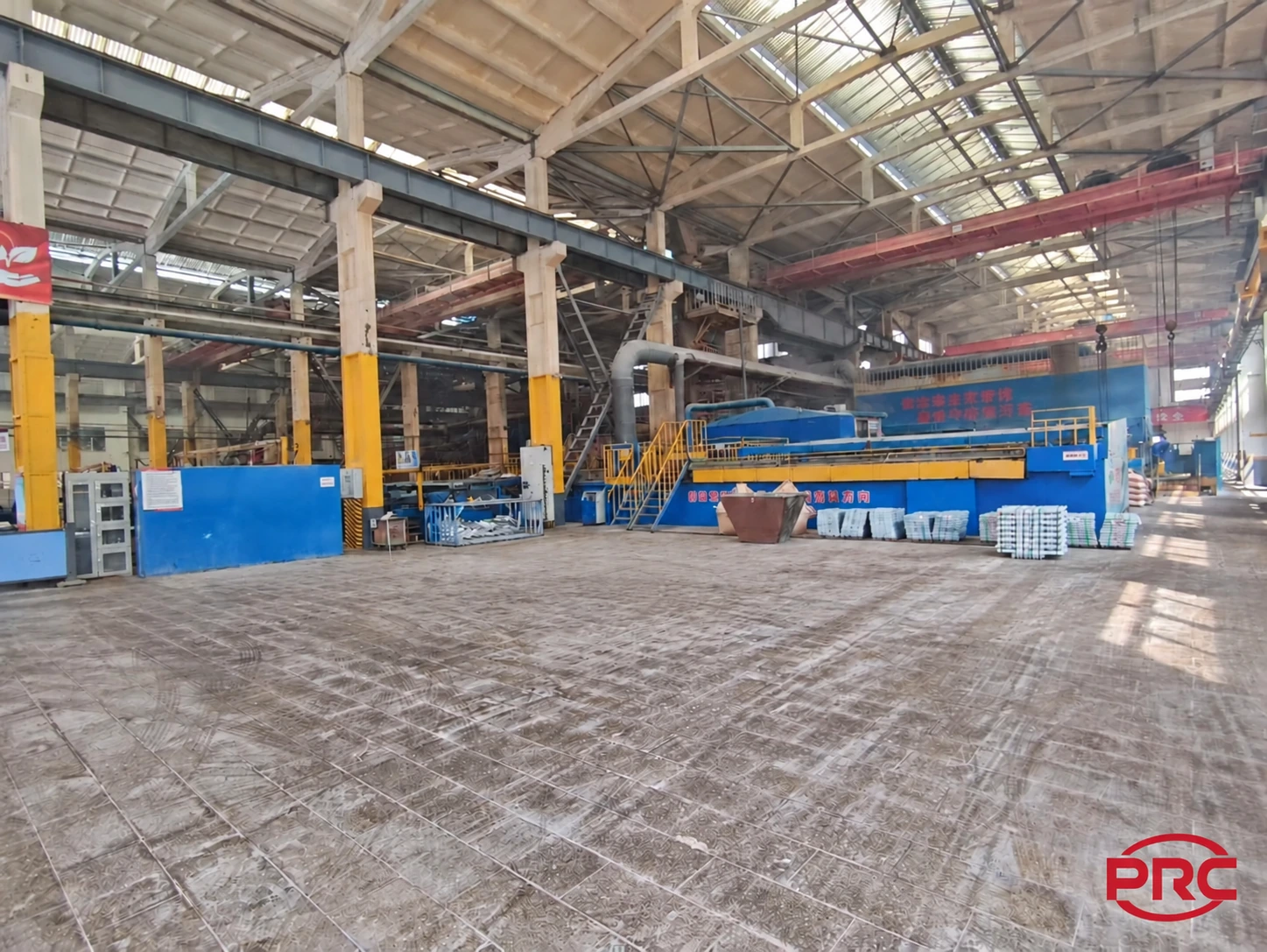
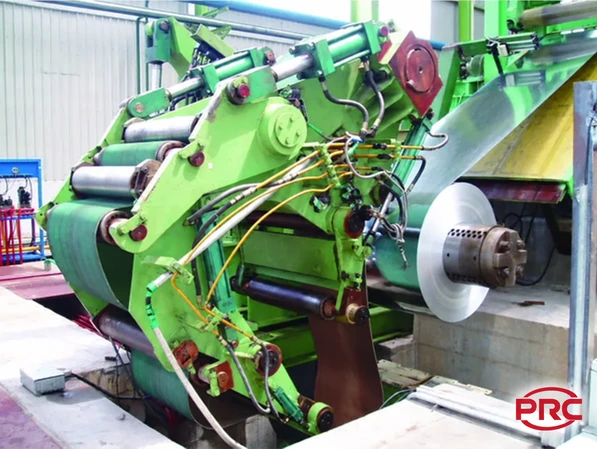
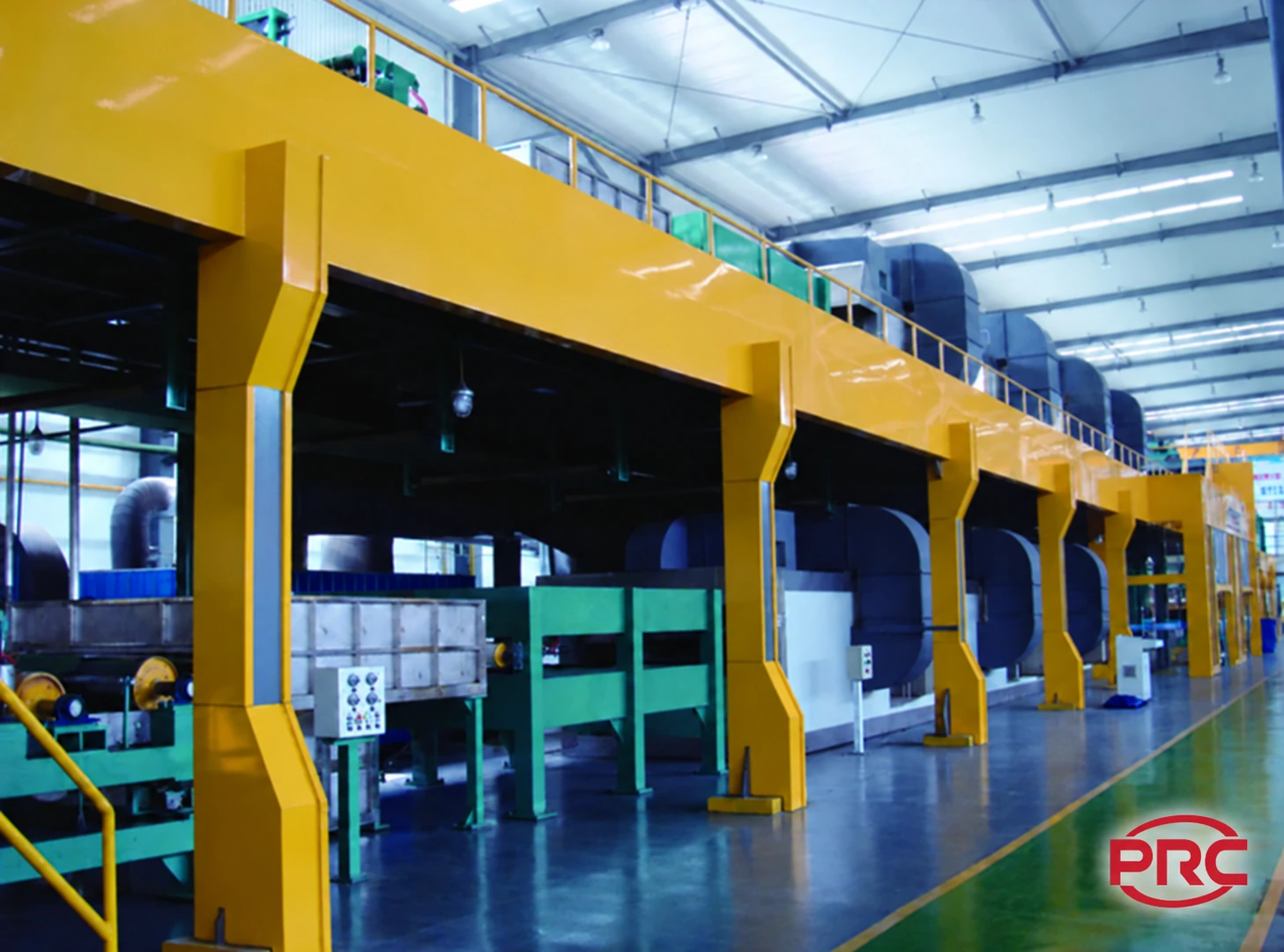
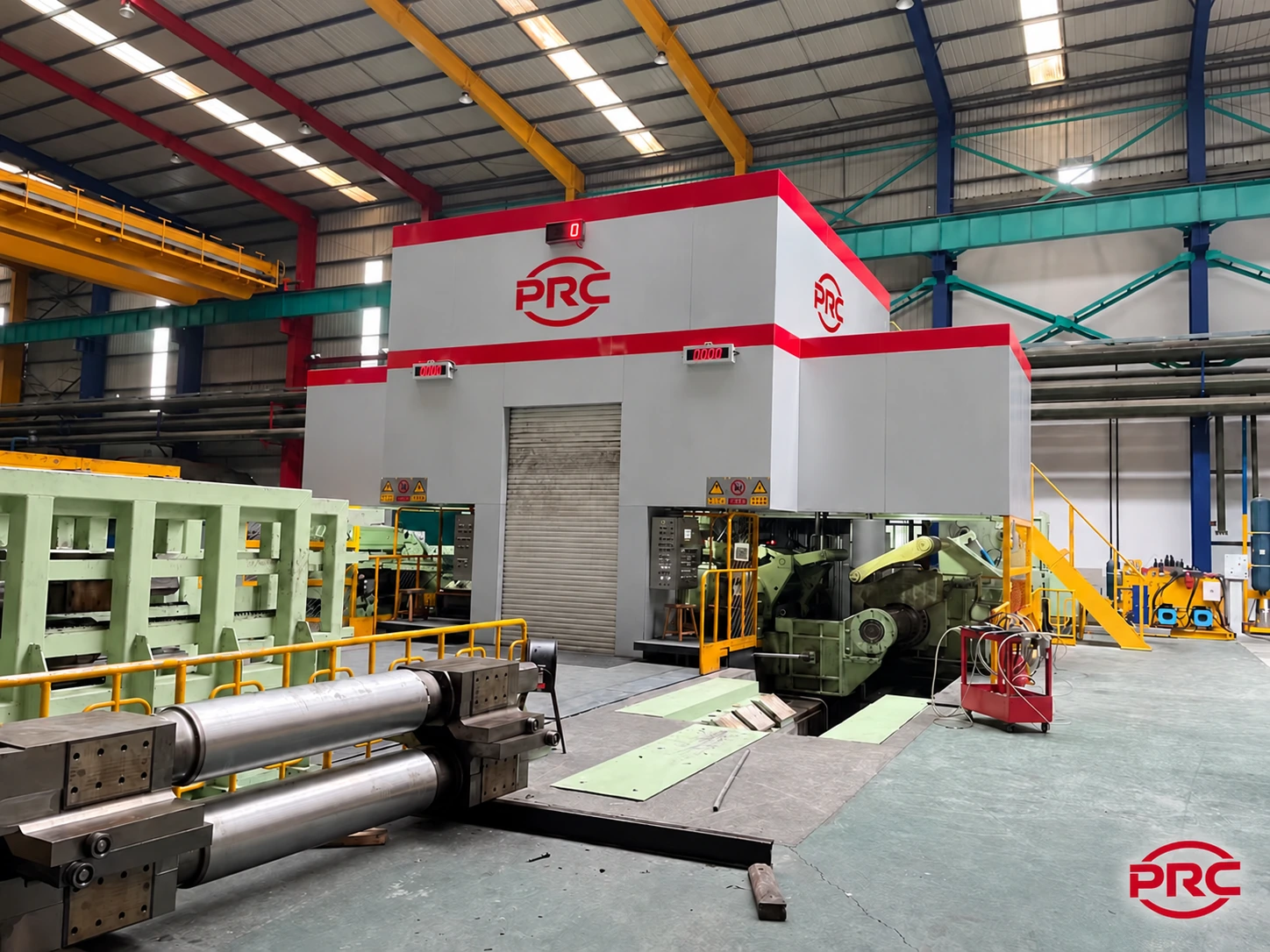
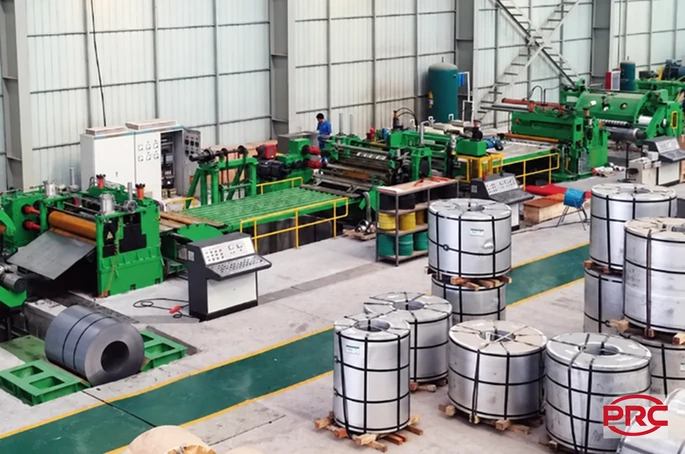
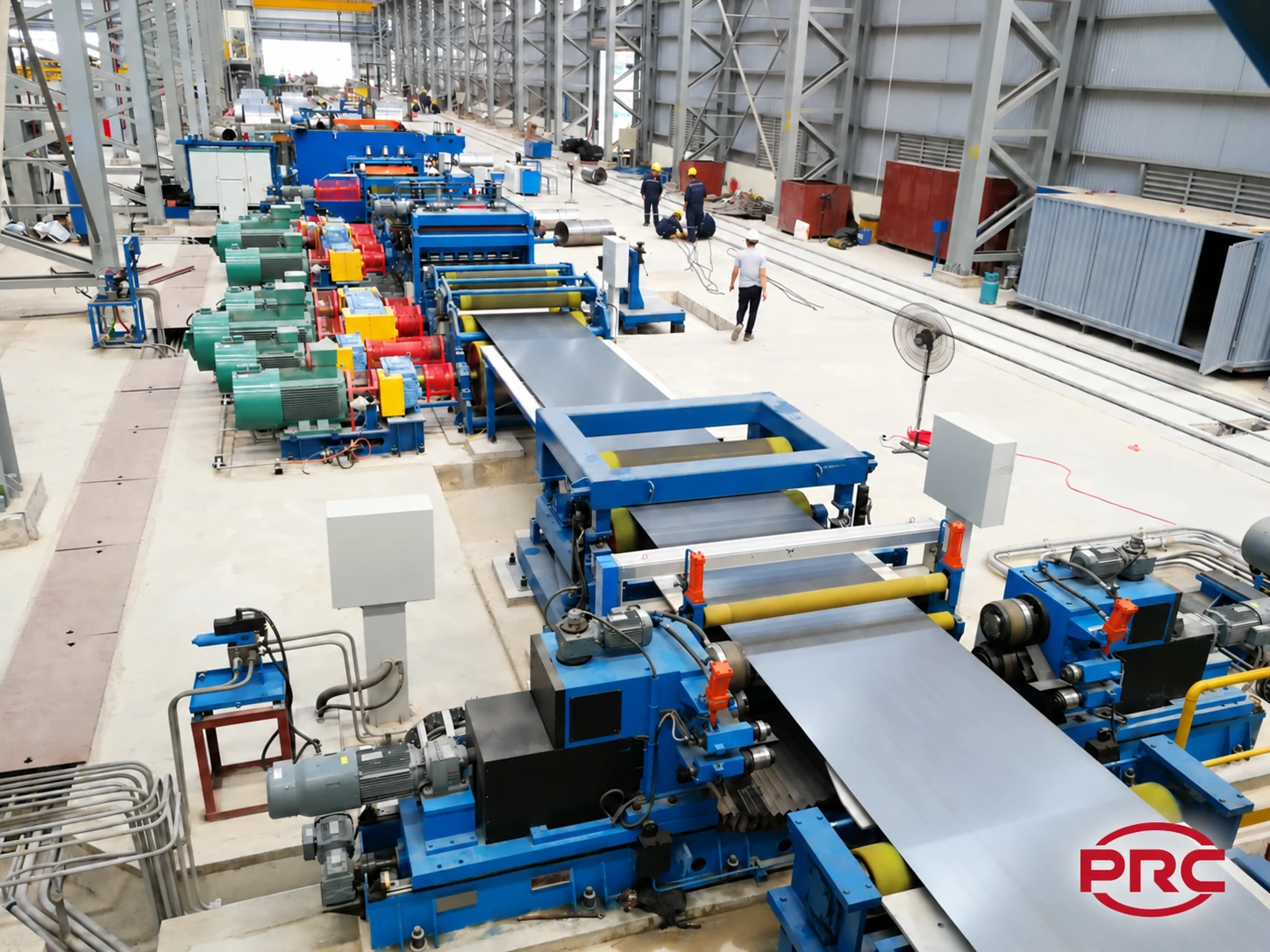
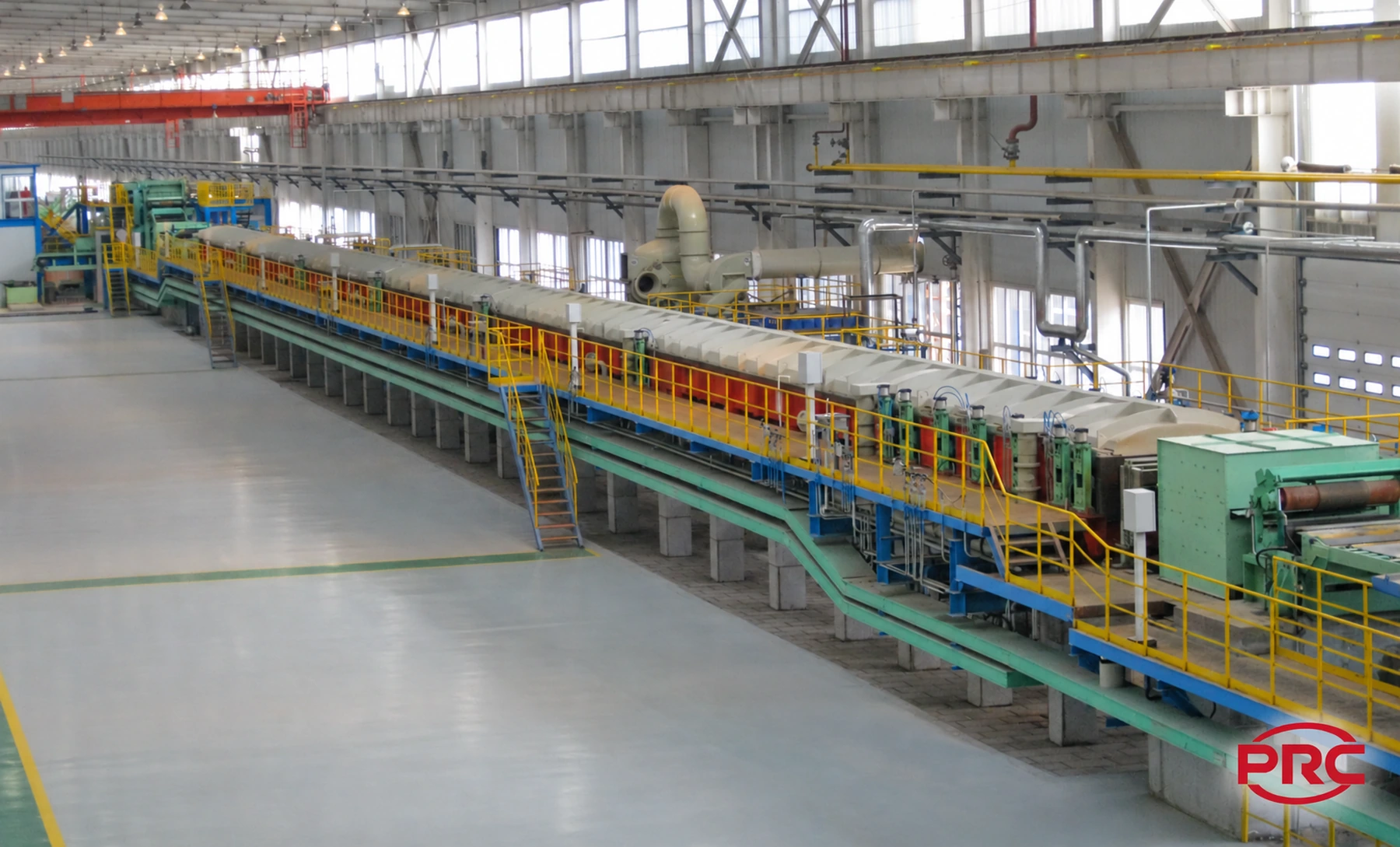
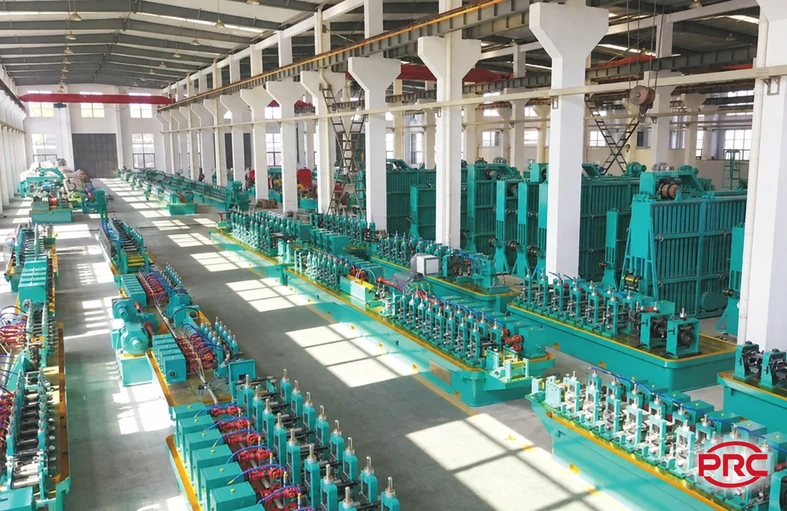
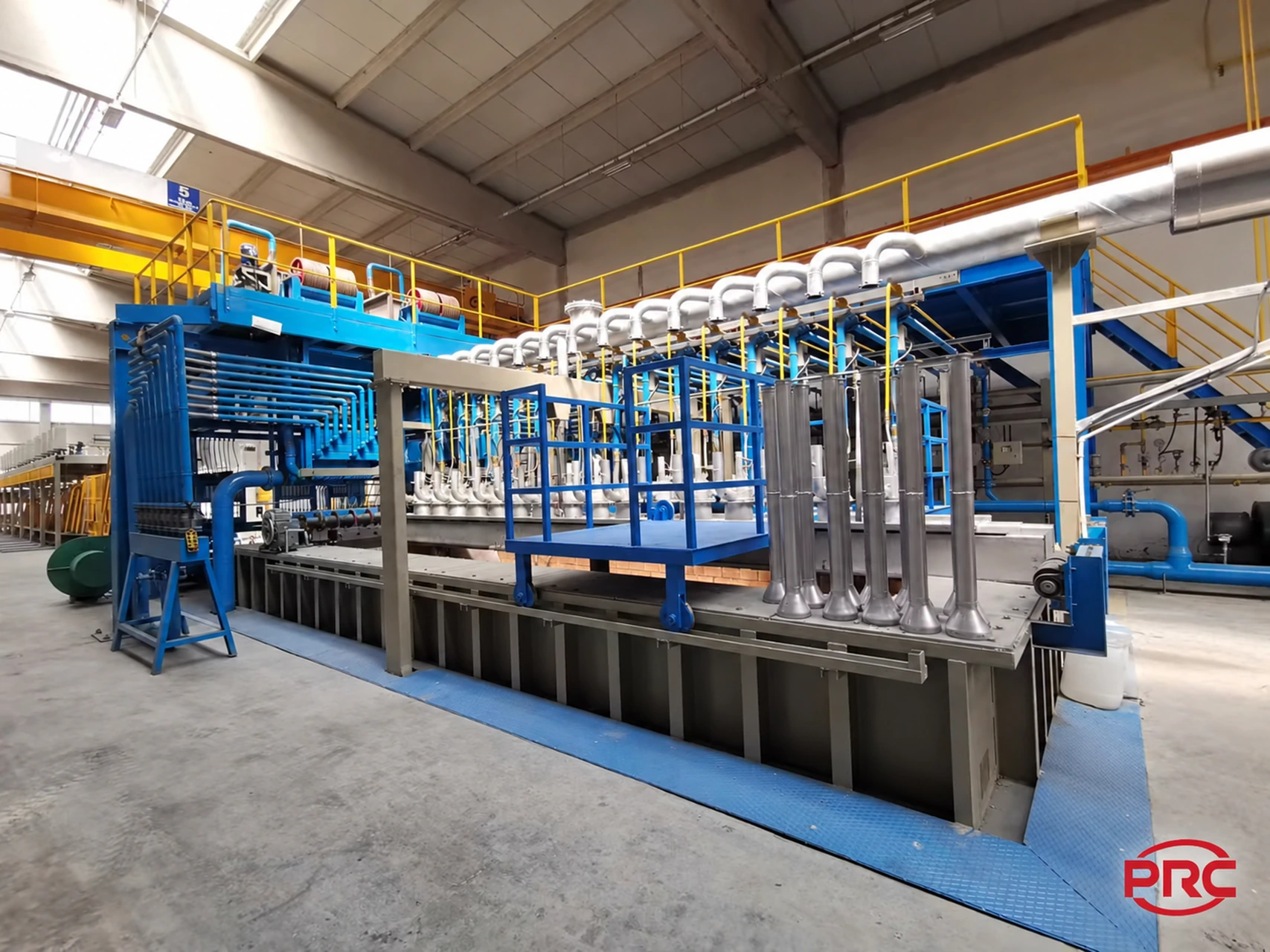
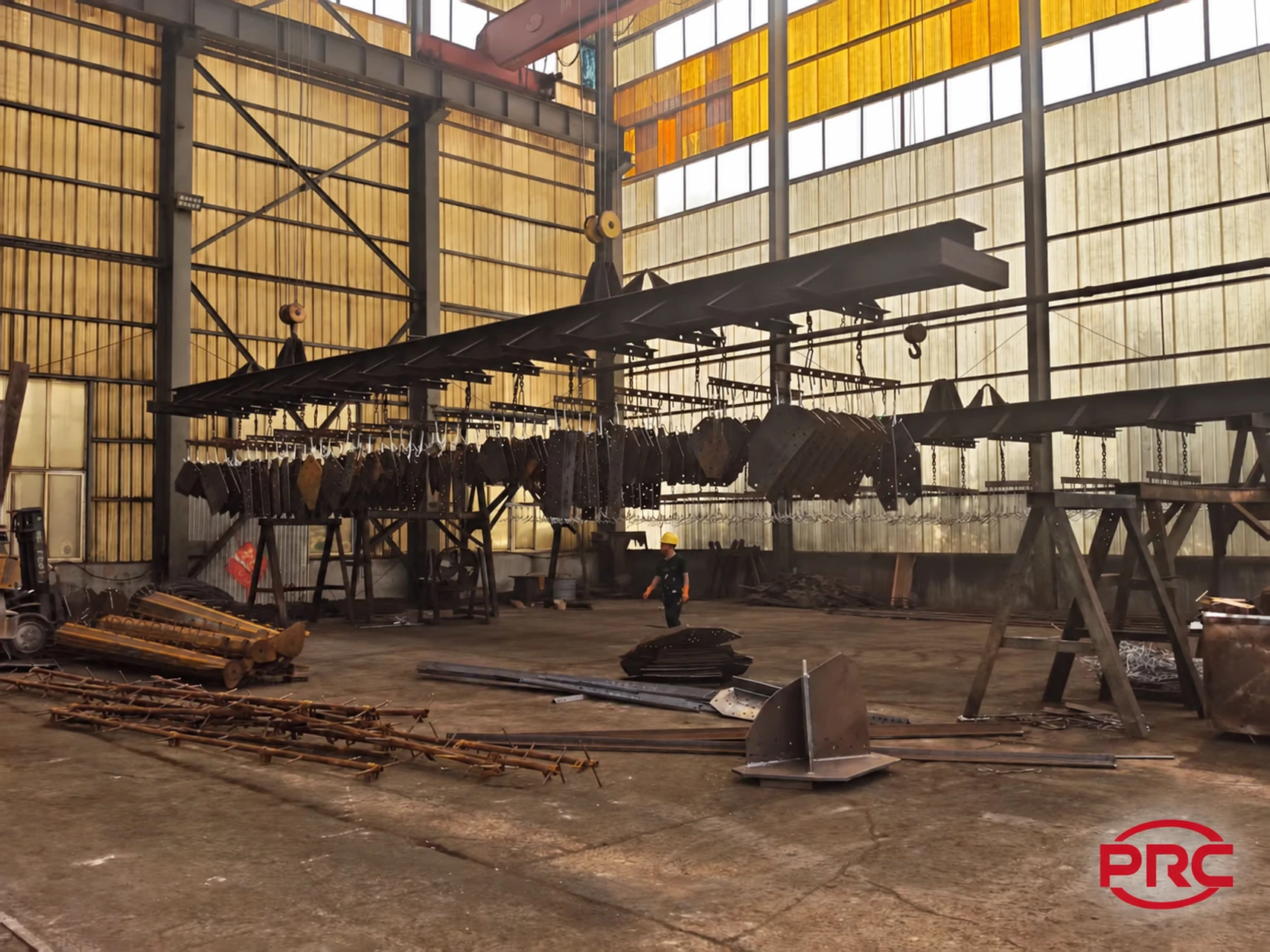
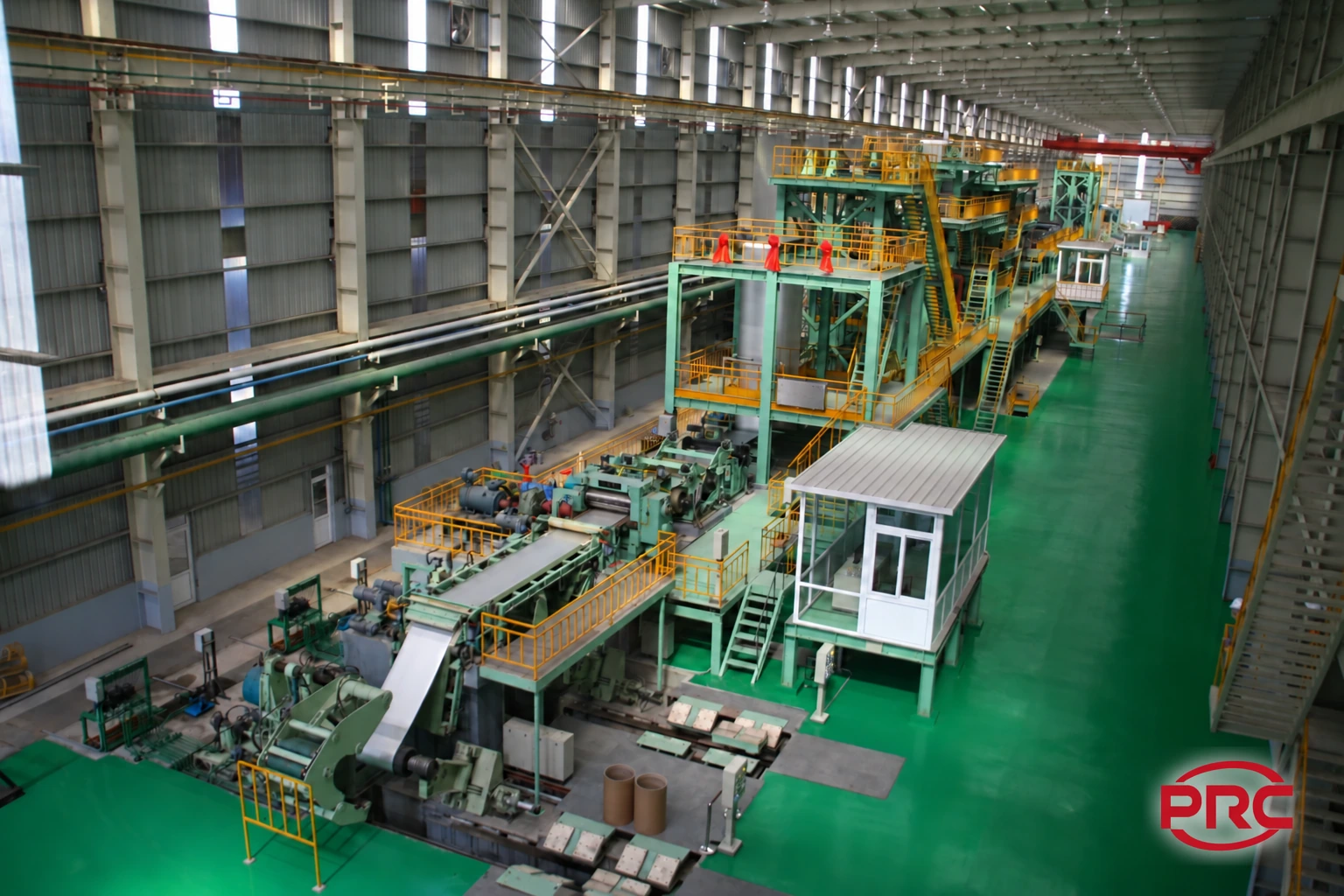
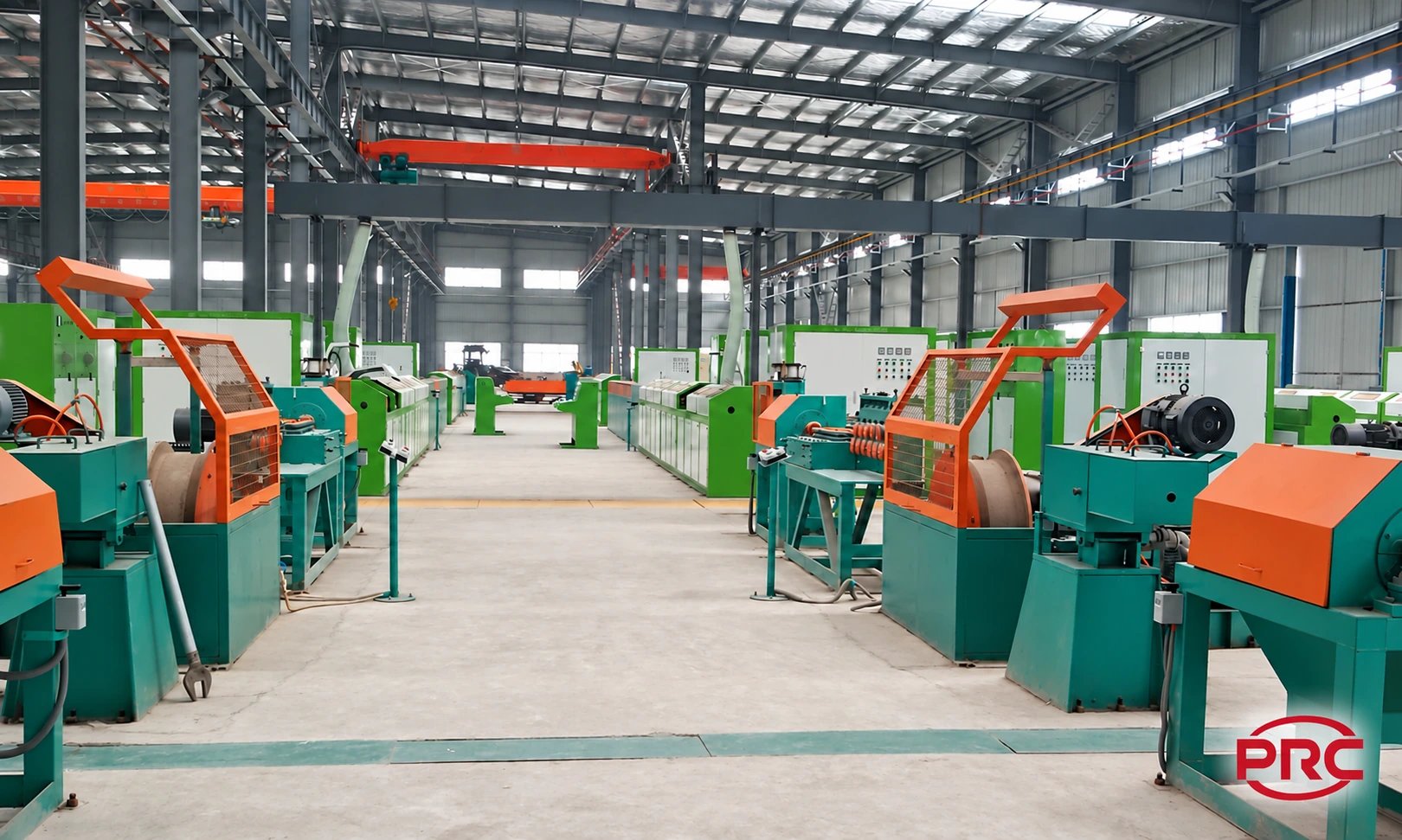
Coordinate process, equipment, automation, environmental interfaces and delivery within an agreed scope.
Define the process route, equipment and scope against products, feedstock, output and site conditions.
Explore →Review targeted improvements in speed, quality, energy use, environmental interfaces and controls.
Explore →Review scratches, flatness, forming, welds, coatings and recoiling against operating data.
Explore →Coordinate commissioning, training, spares, process optimization and lifetime technical support.
Explore →Explore process combinations, associated equipment and engineering boundaries for a new line or modernization.
Pickling, cold rolling, annealing, cleaning, temper rolling, levelling and coating.
Explore the solution →Slitting, cut-to-length, recoiling and downstream roll forming.
Explore the solution →ERW and spiral welded tube production, finishing and associated equipment.
Explore the solution →Wire, bars, sections and associated processing equipment.
Explore the solution →Galvanizing routes for steel strip, wire, pipes, structures and small workpieces.
Explore the solution →Search by production task or equipment, then review the detailed application and selection conditions.
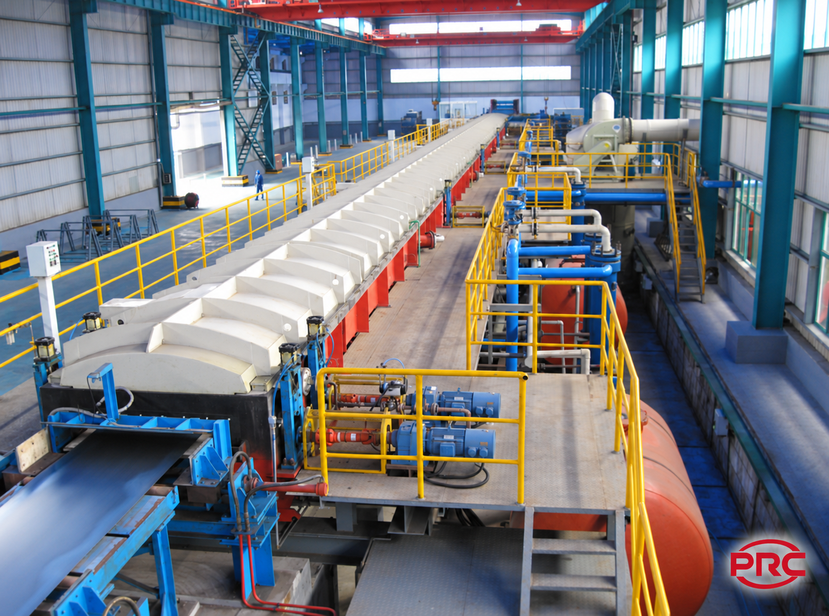
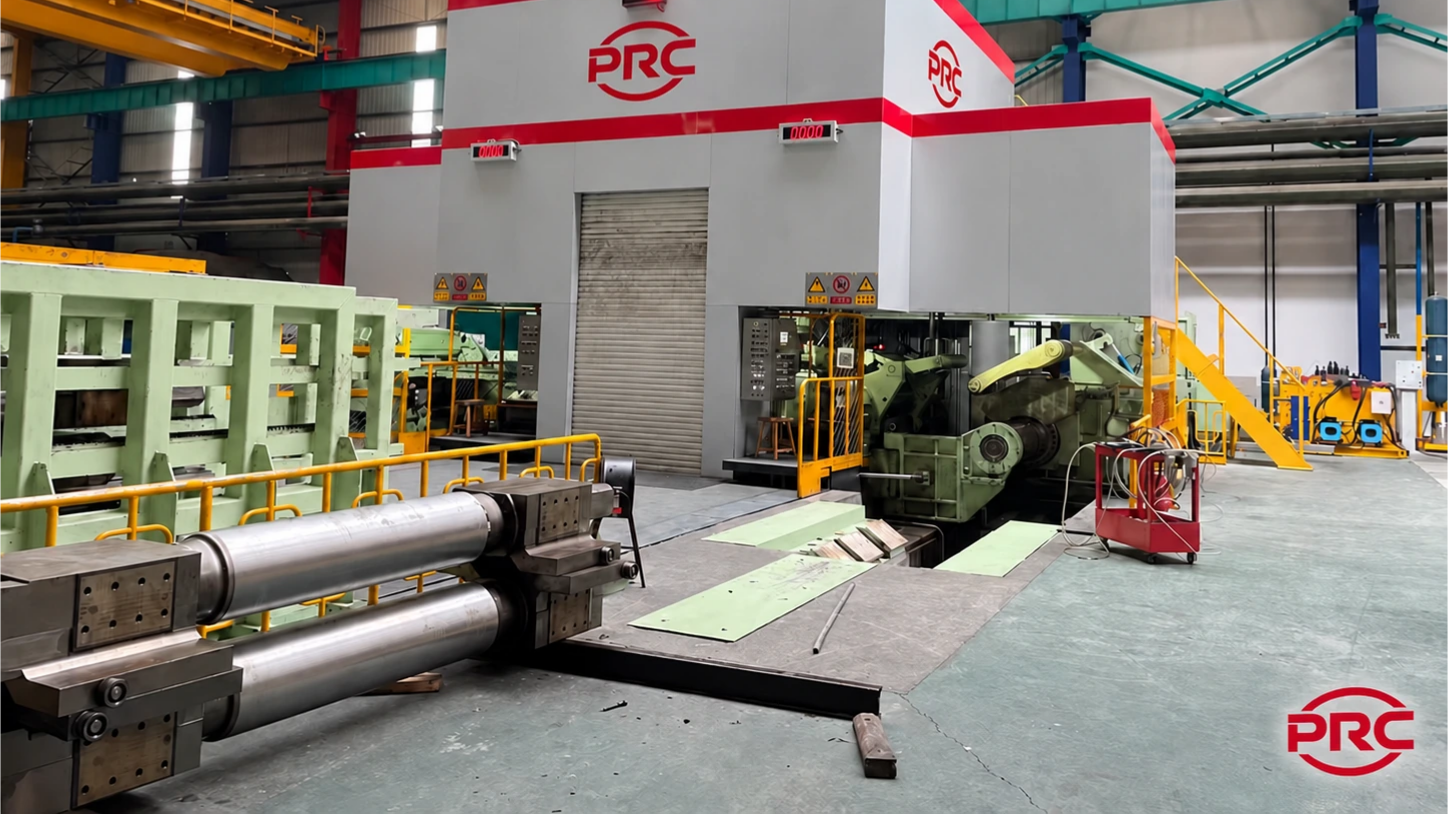
Single- or two-stand reversing mills and four- to six-stand tandem mills, with selection data and a technical questionnaire.
Process & equipment details ↗Quick enquiry questionnaire →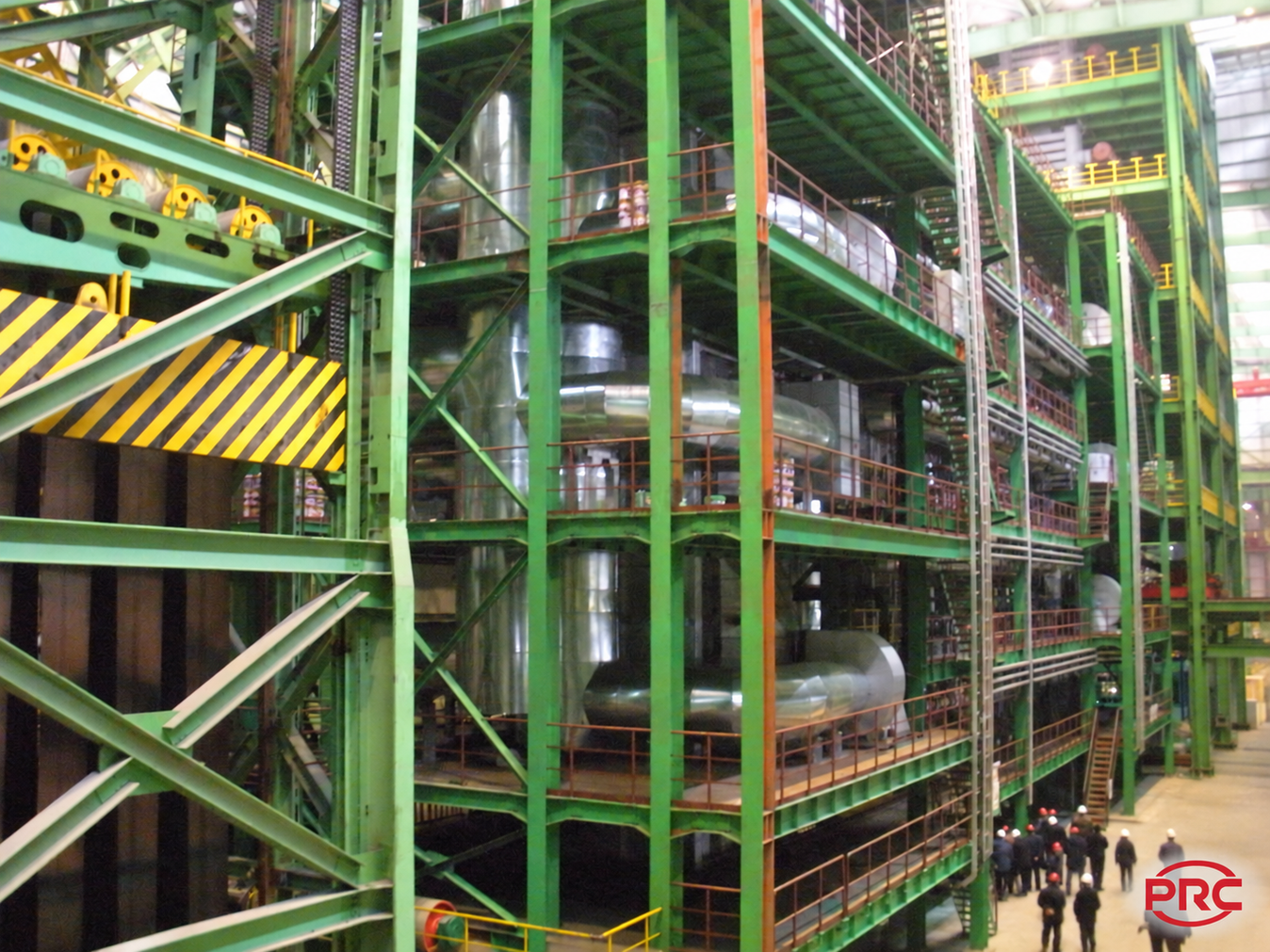
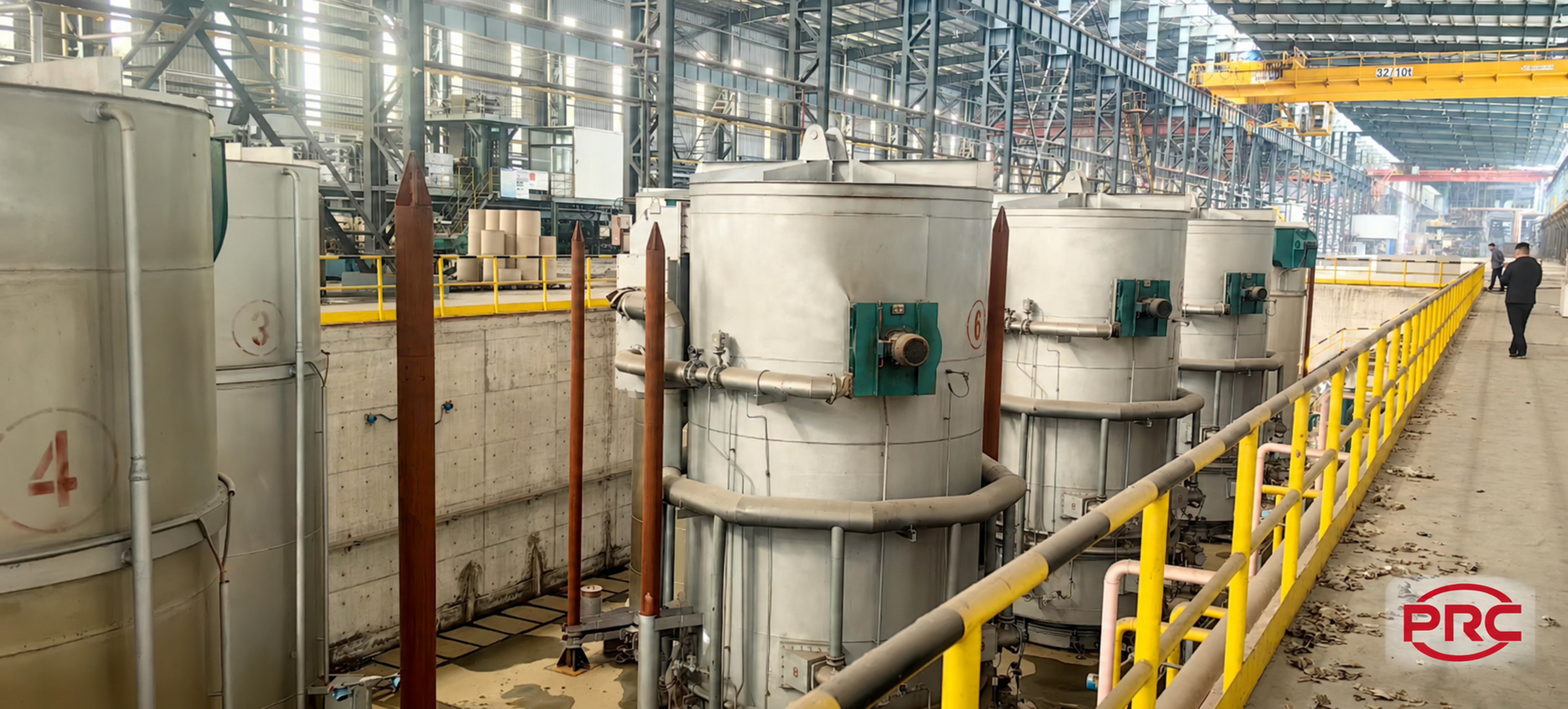
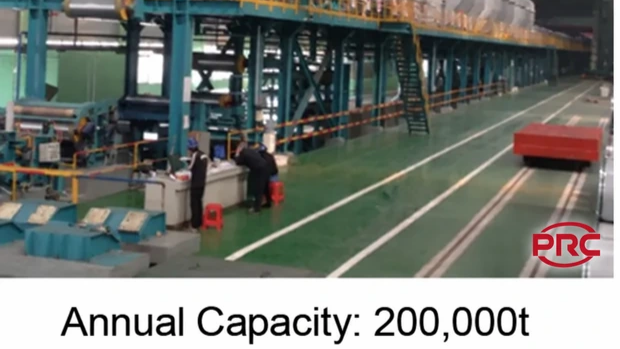
Annealing equipment for non-oriented electrical steel strip.
Process & equipment details ↗Quick enquiry questionnaire →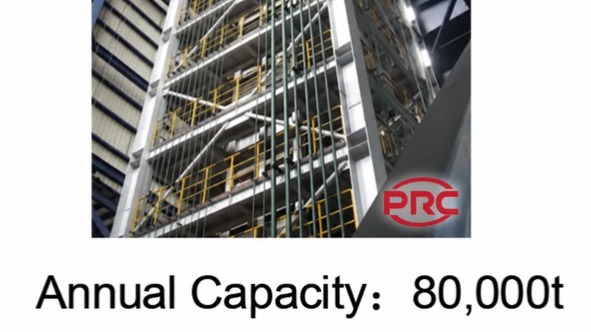
Continuous bright annealing equipment for stainless steel strip.
Process & equipment details ↗Quick enquiry questionnaire →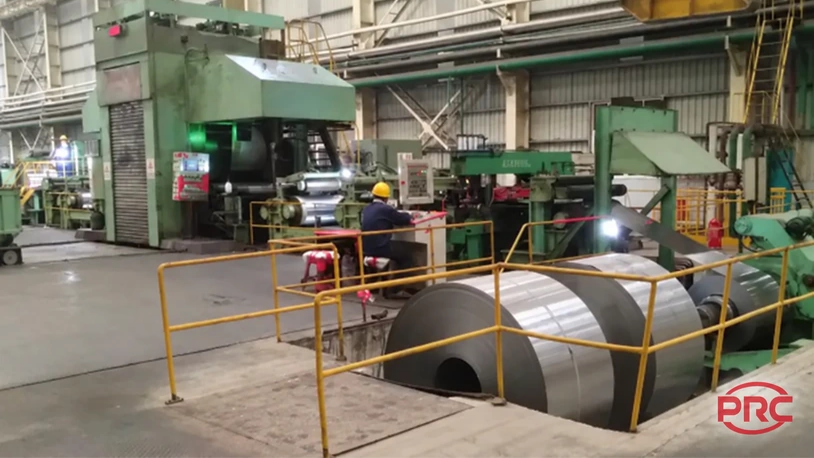
Four-high temper rolling for steel strip finishing.
Process & equipment details ↗Quick enquiry questionnaire →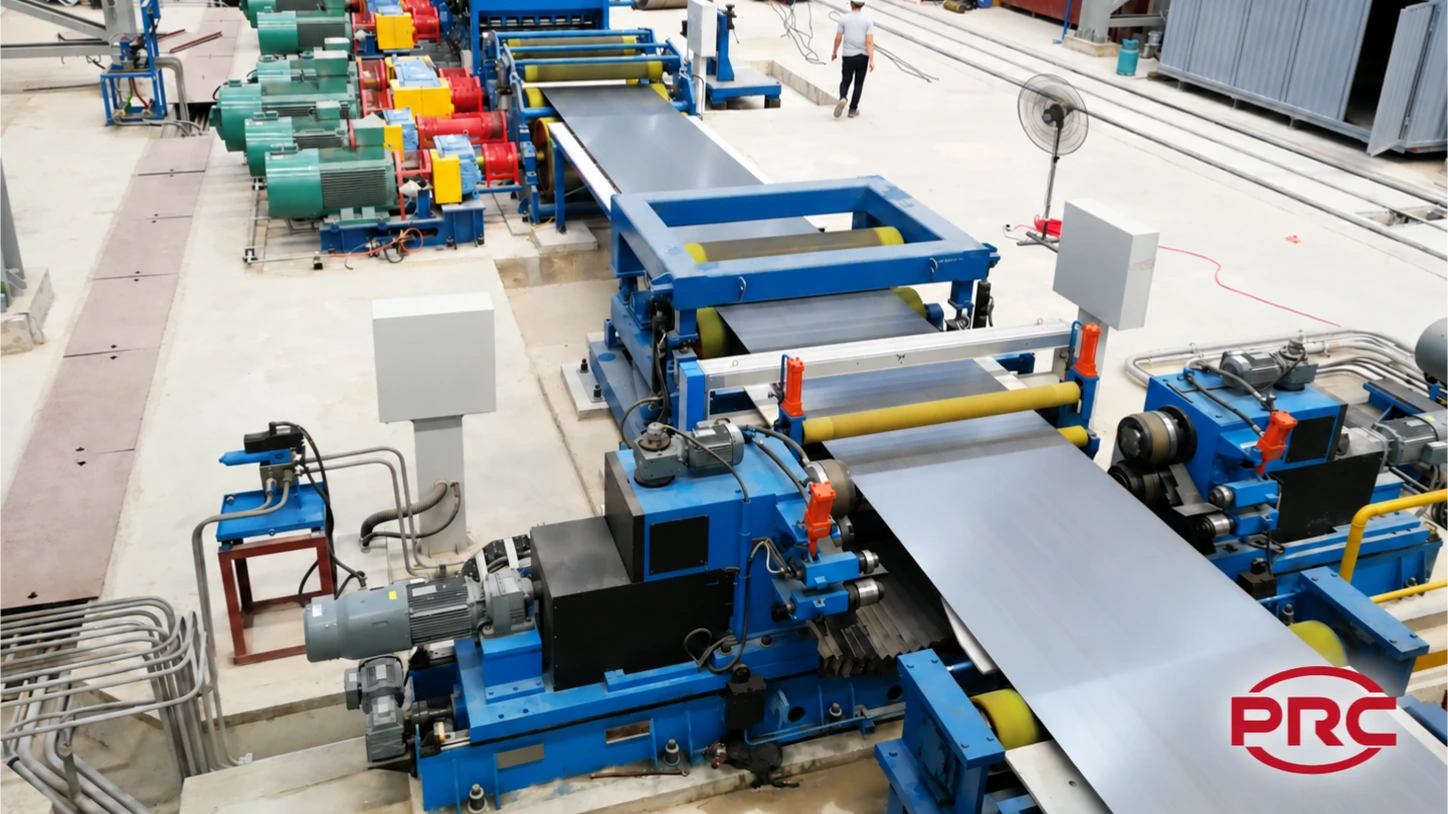
Strip tension leveling and finishing, including side trimming, oiling and recoiling configurations.
Process & equipment details ↗Quick enquiry questionnaire →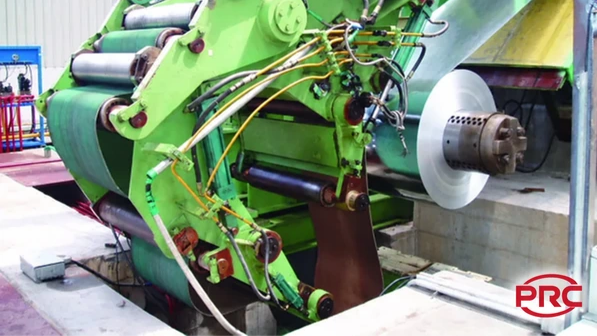
Continuous hot-dip and alloy coating of steel strip, covering cleaning, reducing annealing, coating, cooling, temper rolling and tension levelling. Galvanizing, galvalume and zinc-aluminium-magnesium coating require product-specific coating chemistry and equipment configuration.
Process & equipment details ↗Quick enquiry questionnaire →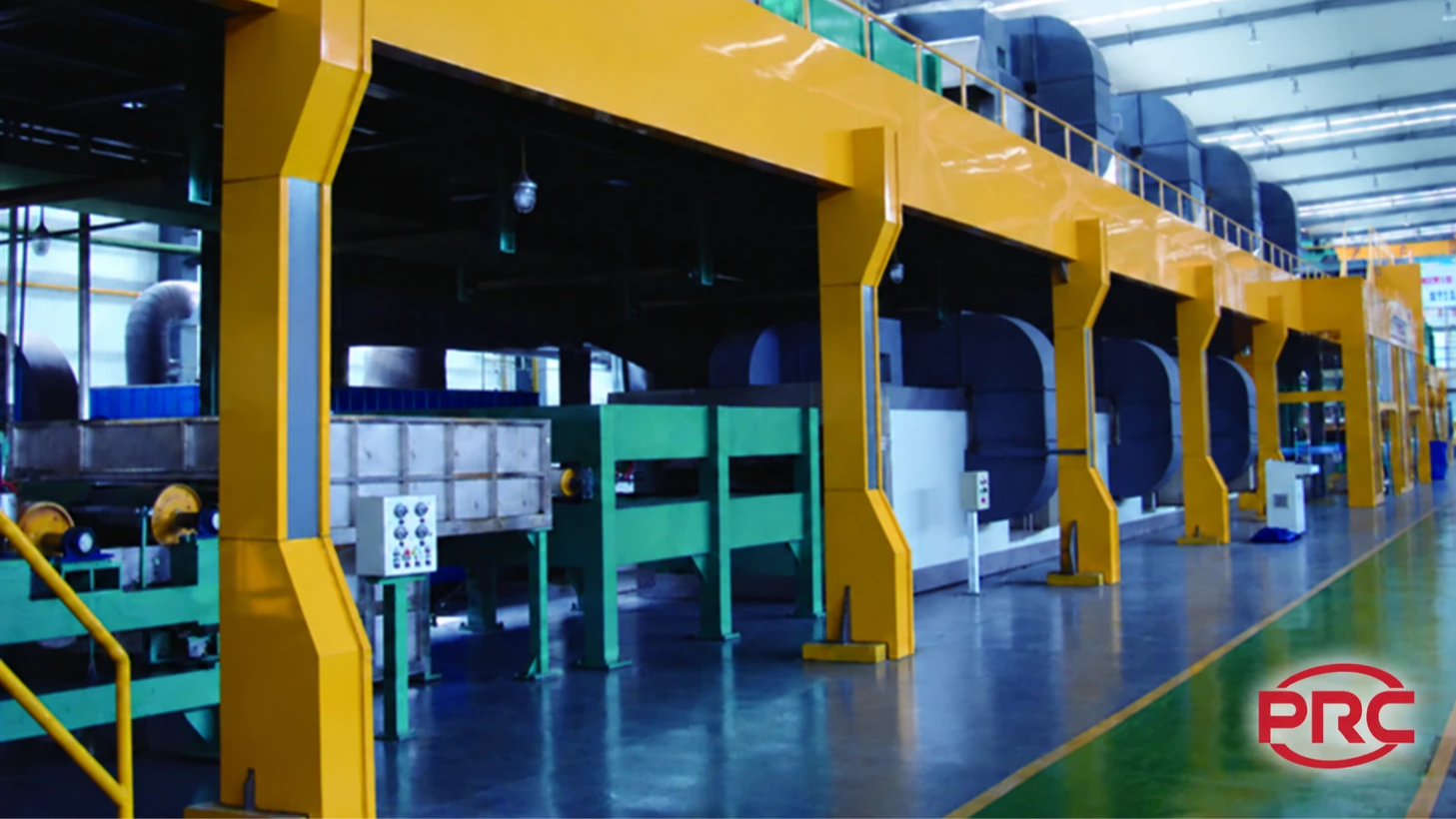
Continuous decorative and protective coating of cold-rolled or galvanized strip for building envelopes, appliances and industrial equipment.
Process & equipment details ↗Quick enquiry questionnaire →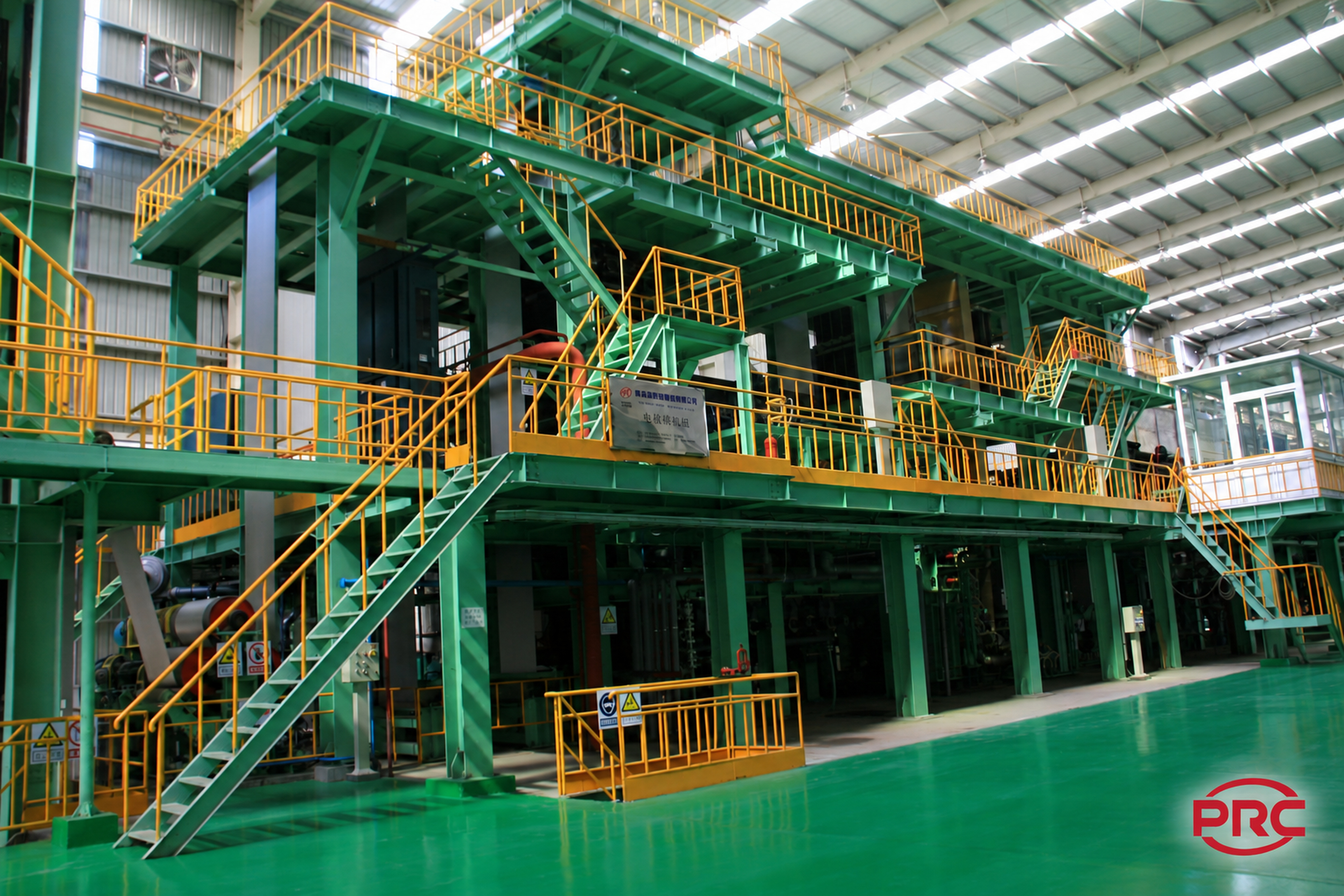
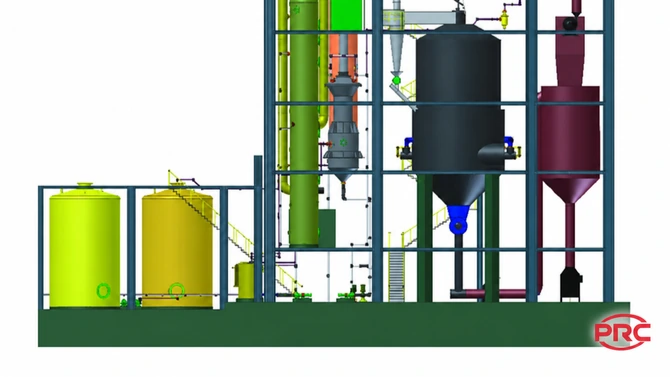
Acid regeneration for wasteacid, selected to suit the wasteacid composition.
Process & equipment details ↗Quick enquiry questionnaire →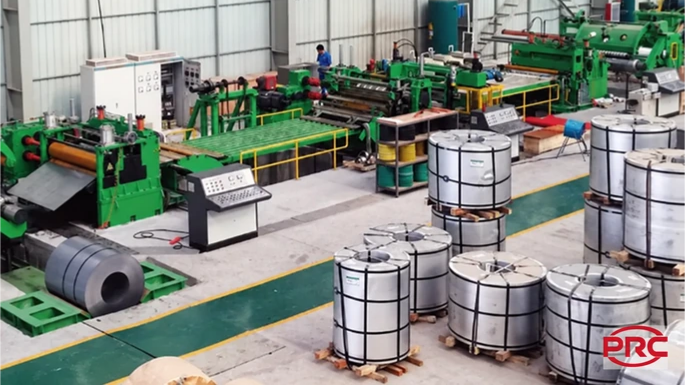
Uncoils wide metal coil, slits it longitudinally into narrow strips and recoils the strips for downstream tube making, forming and narrow-strip applications.
Process & equipment details ↗Quick enquiry questionnaire →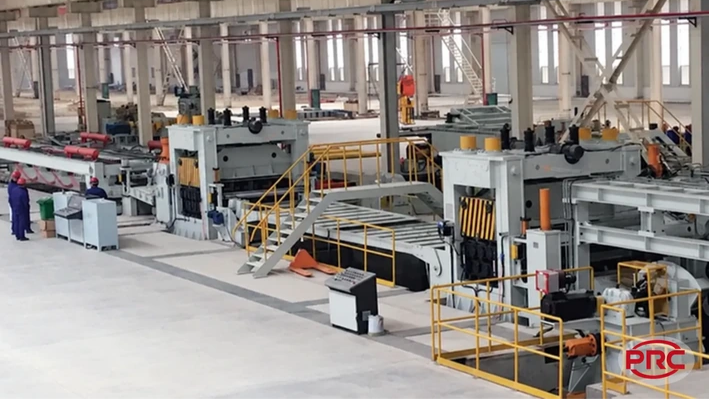
Uncoils, levels and transversely cuts metal coil into fixed-length sheets, then stacks the sheets for downstream processing.
Process & equipment details ↗Quick enquiry questionnaire →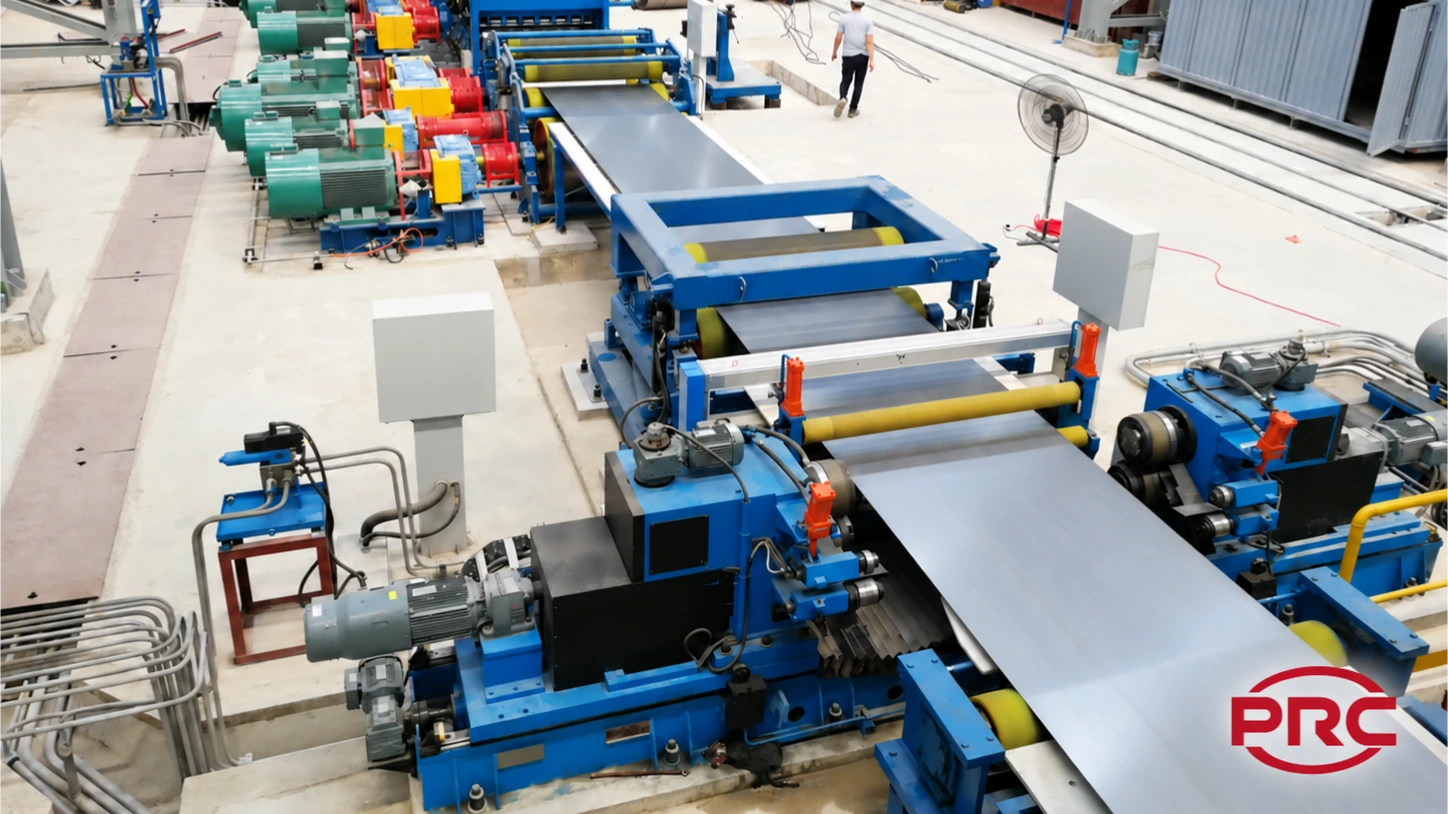
Recoiling and finishing of steel strip.
Process & equipment details ↗Quick enquiry questionnaire →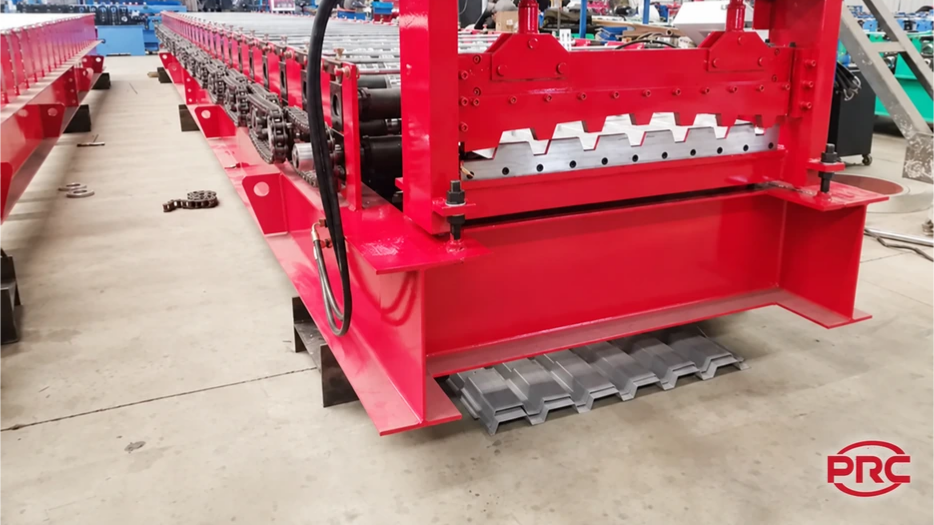
Roll forming of roofing and wall-cladding sheet profiles.
Process & equipment details ↗Quick enquiry questionnaire →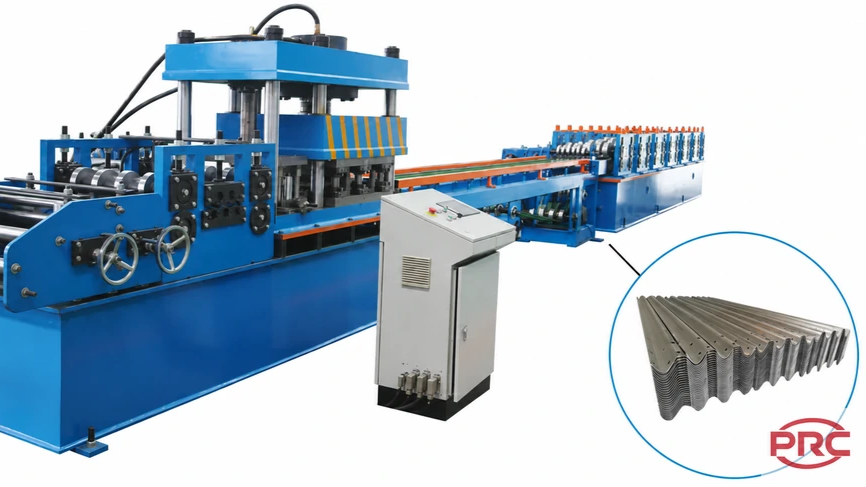
Roll forming for two-wave and three-wave highway guardrail profiles.
Process & equipment details ↗Quick enquiry questionnaire →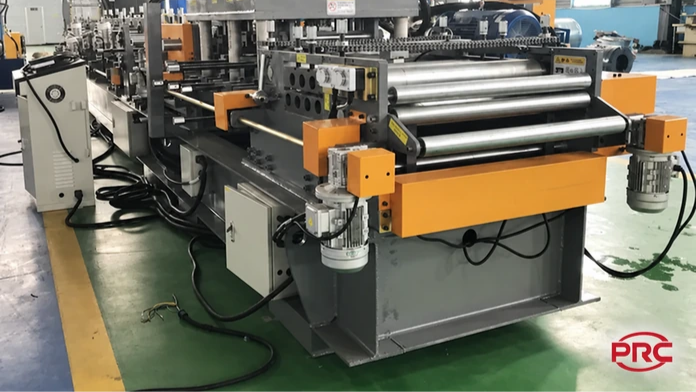
Cold roll forming of C, Z and U profiles from steel strip.
Process & equipment details ↗Quick enquiry questionnaire →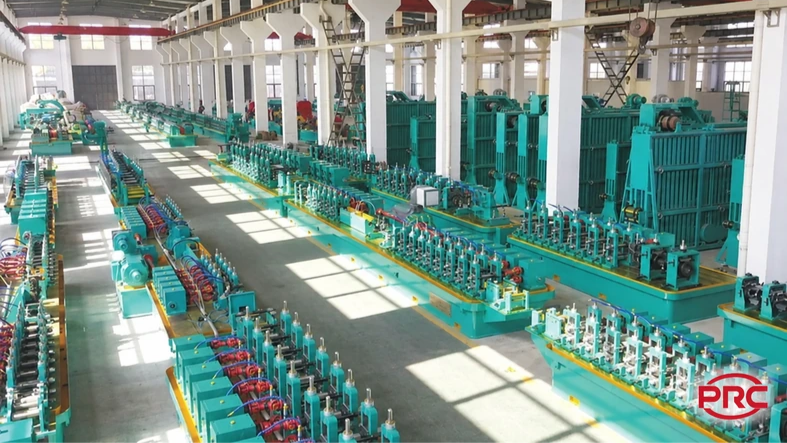
High-frequency welding converts hot-rolled, cold-rolled or galvanized strip into round, square and rectangular tubes for construction, transport, machinery and automotive applications.
Process & equipment details ↗Quick enquiry questionnaire →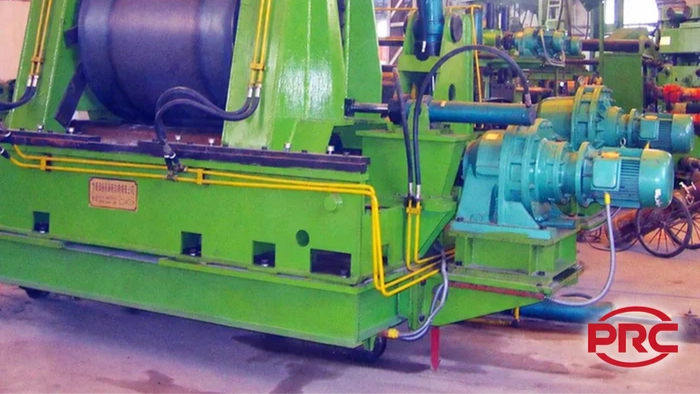
Spiral forming and submerged arc welding of steel pipe from coil.
Process & equipment details ↗Quick enquiry questionnaire →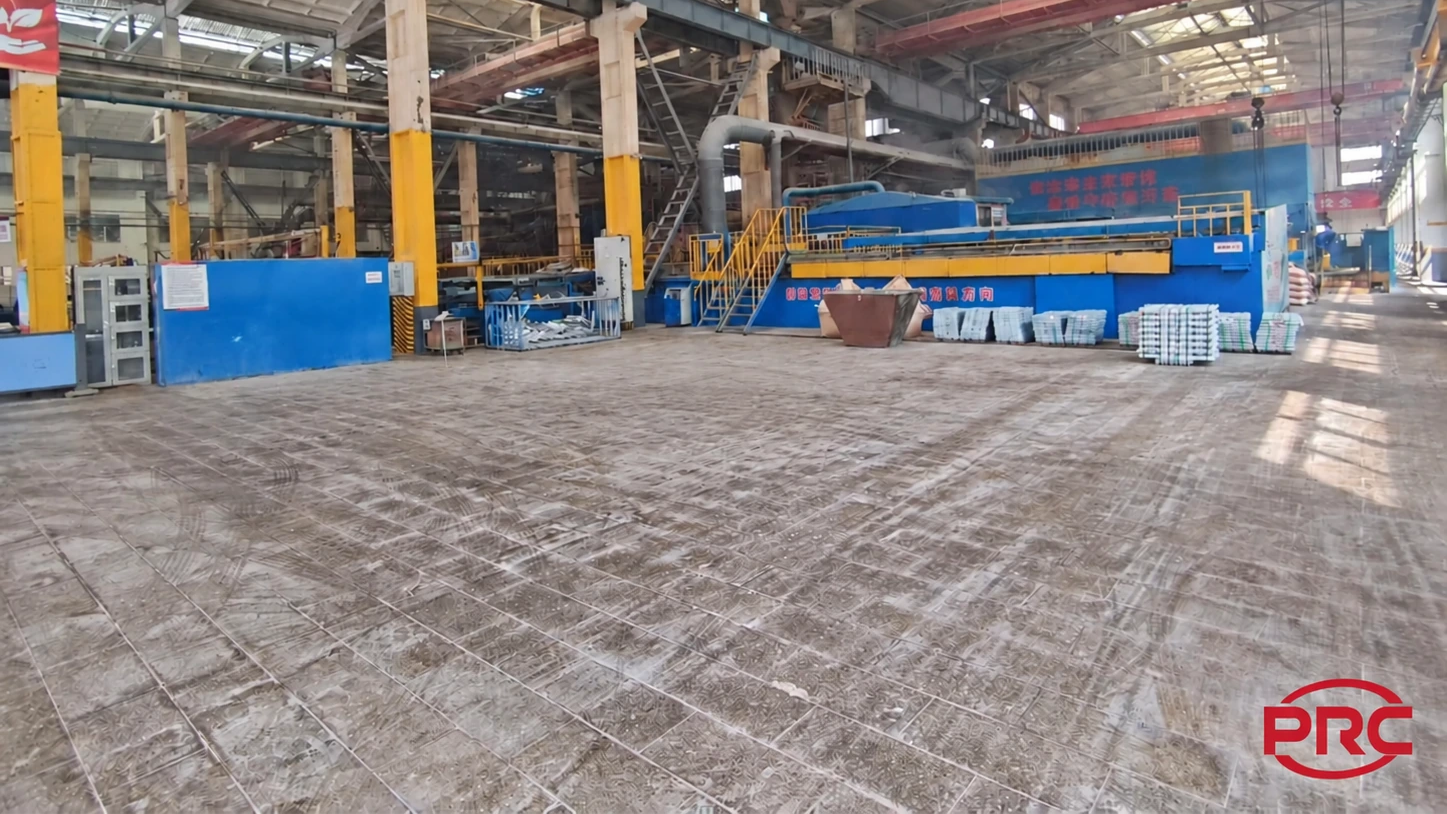
Immerses surface-prepared black steel pipes in molten zinc to coat both internal and external surfaces. Designed for finished pipes, with a material format and equipment arrangement distinct from continuous strip galvanizing.
Process & equipment details ↗Quick enquiry questionnaire →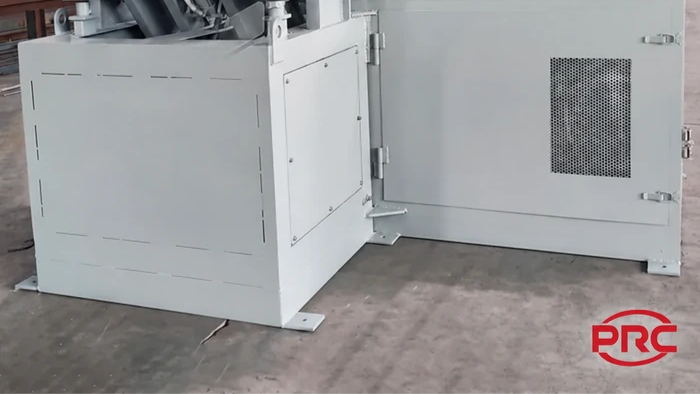
Zinc immersion and centrifugal removal of excess zinc for small metal parts.
Process & equipment details ↗Quick enquiry questionnaire →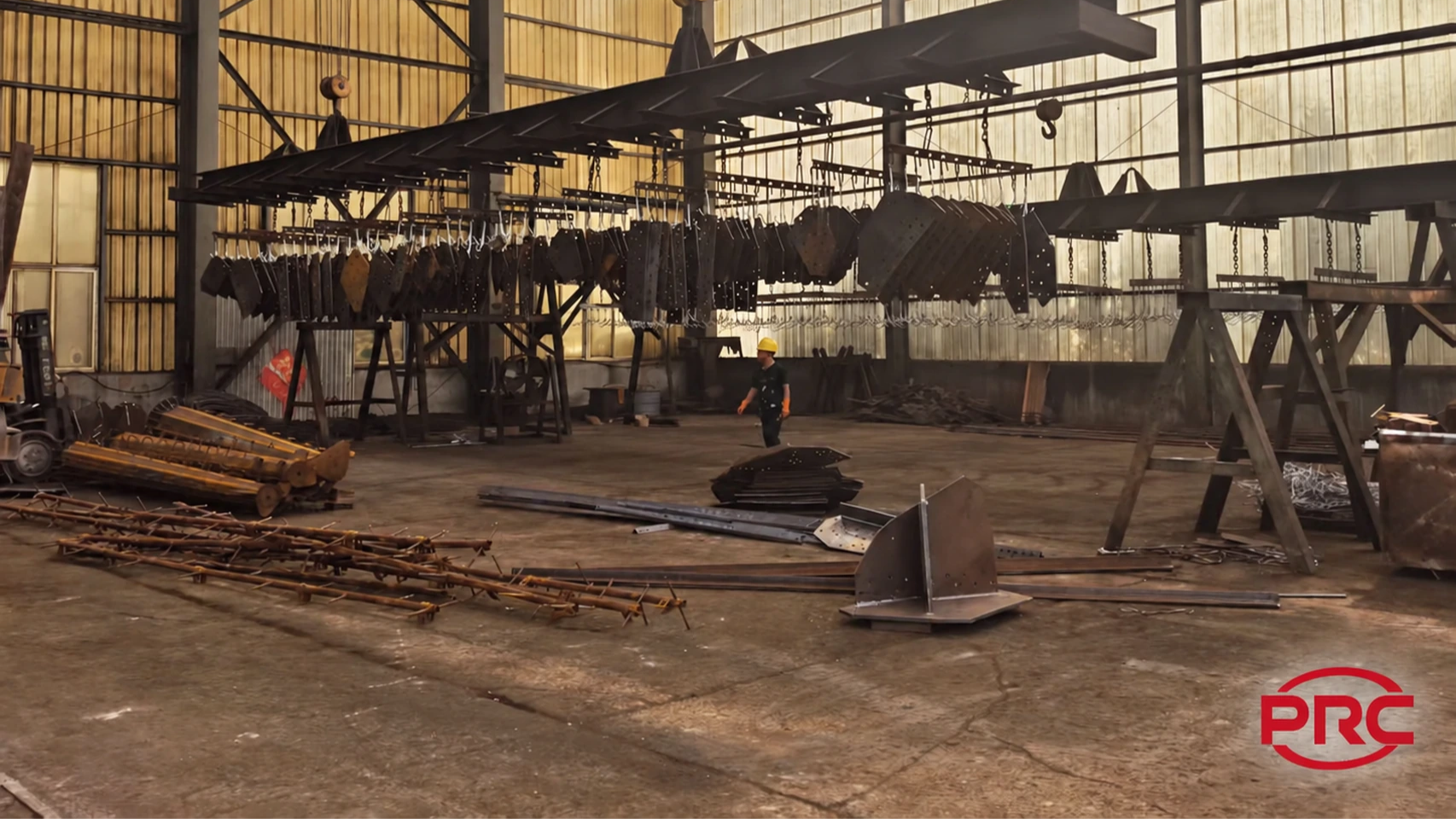
Batch hot dip galvanizing for structural steel and fabricated workpieces.
Process & equipment details ↗Quick enquiry questionnaire →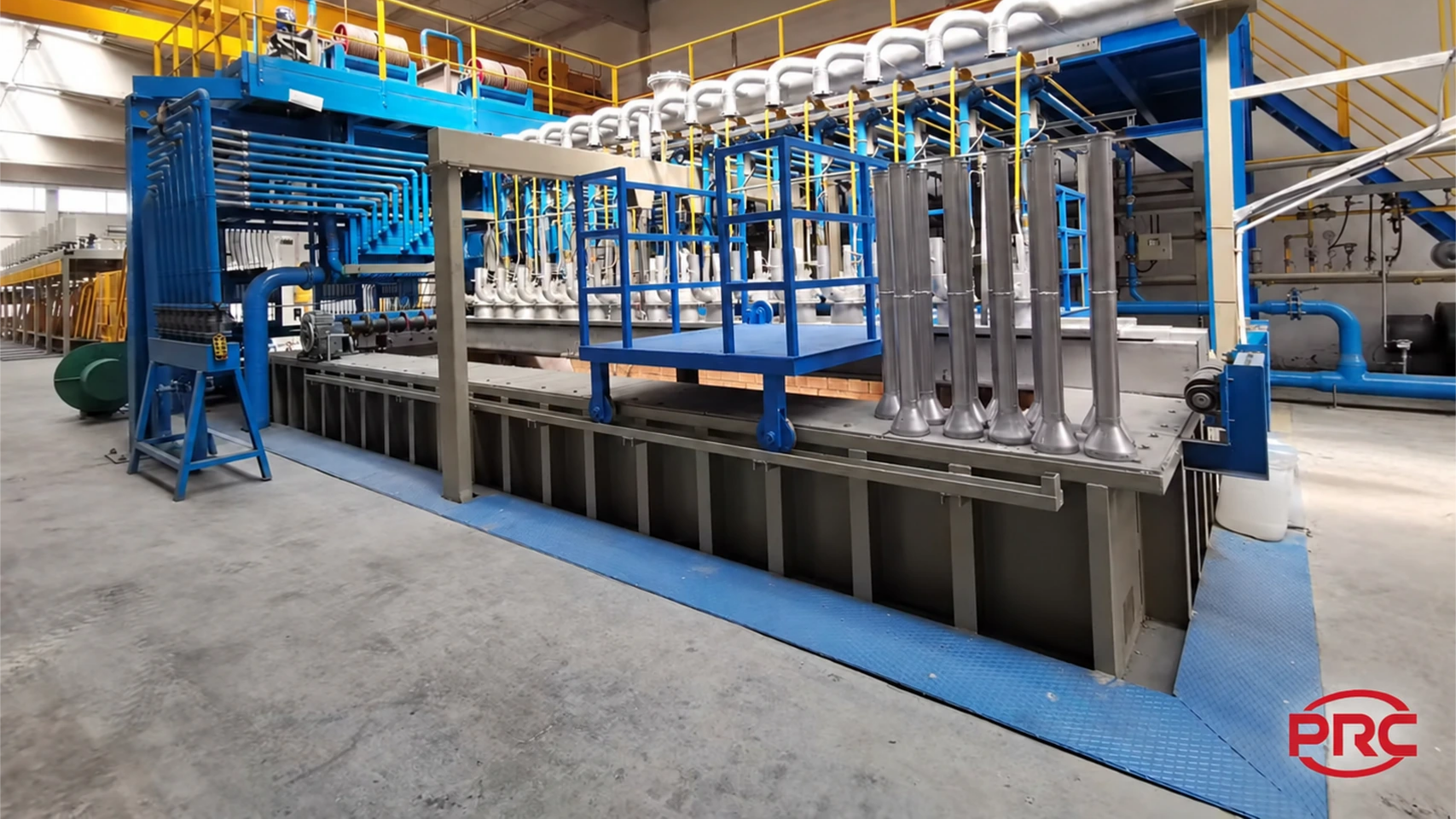
Pretreatment, zinc coating, cooling and post-treatment of steel wire.
Process & equipment details ↗Quick enquiry questionnaire →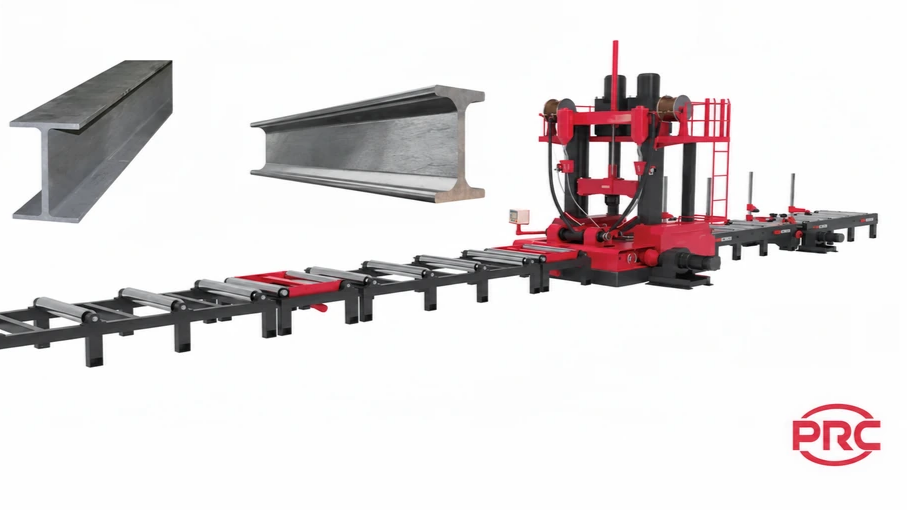
Submerged arc welding equipment for welded H-beam production.
Process & equipment details ↗Quick enquiry questionnaire →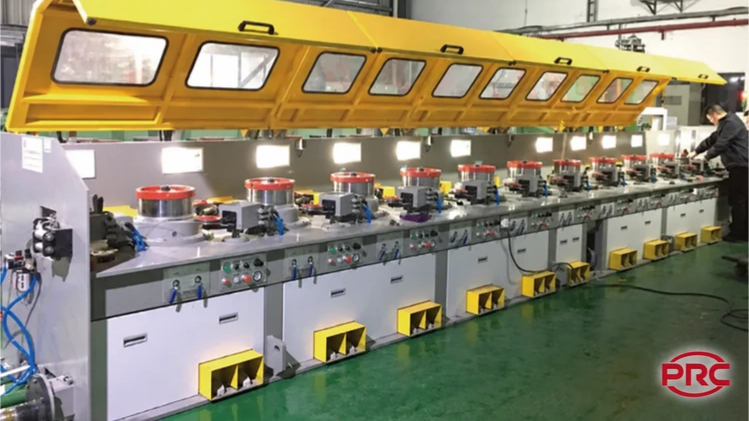
Wire diameter reduction through successive drawing dies, with feeding and take-up systems.
Process & equipment details ↗Quick enquiry questionnaire →No matching equipment. Please try another term.
Connect your production equipment with its maintenance needs. Browse by line or start with the drawing and photograph of an existing part.
Explore all 40 product families, including tube-mill & color-coating parts →Coordinate quality, capacity, energy, safety, environmental interfaces and maintenance around the agreed project conditions.
Work back from the product program to line speed, cycle time, equipment capability, utility loads and bottlenecks.
Review mechanical conditions, process parameters, control logic and operating practice together, using defect samples and operating data.
Distinguish the galvanizing routes for pipe, wire, structural workpieces and steel strip, then coordinate the relevant process sections.
Coordinate equipment interfaces, drive and tension controls, safety interlocks and operating information against the actual production task.
Consider combustion, heat use, exhaust, acid mist, zinc fumes, wastewater interfaces and occupational safety during process design.
Coordinate mechanical, electrical and layout design with core equipment, purchased components, utilities and site interfaces.
New project implementation is separate from upgrades and support after production starts.
Review products, feedstock, output and site conditions to define the process and equipment scope.
Coordinate core equipment, auxiliaries, electrical systems, utilities and technical interfaces.
Support equipment positioning, installation checks and site interface coordination.
Coordinate machine checks, integrated commissioning and material trials; explain operation and maintenance.
Review existing equipment against the proposed product mix, quality and output objectives.
Provide long-term technical assistance, operating support and spares coordination. Specific work, response arrangements and fees are agreed for each project.
Equipment delivery, production starts and project updates.
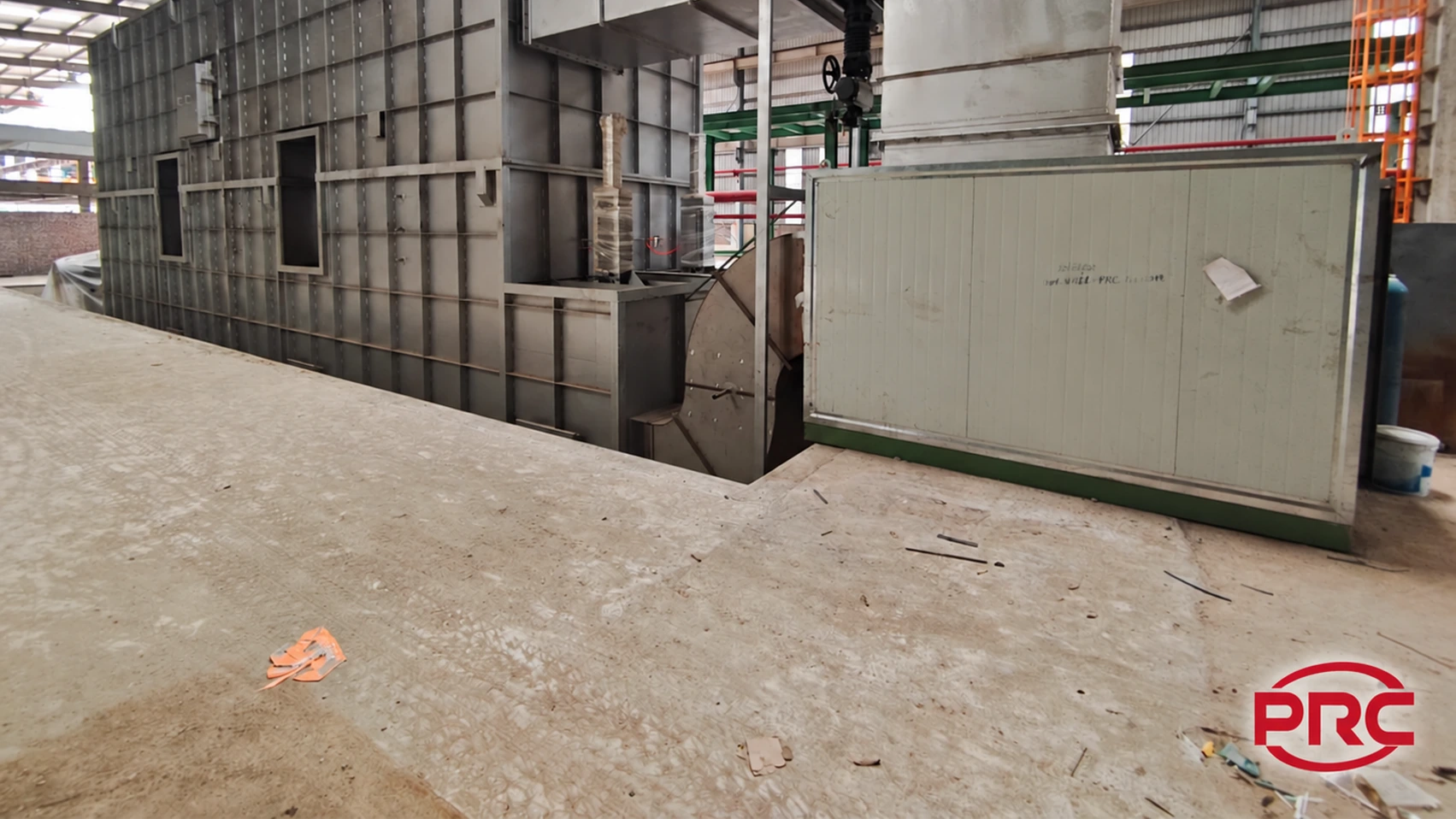
A three-chamber VOC regenerative thermal oxidizer (RTO), with an air treatment capacity of 60,000 m³/h. The photographs show the equipment on site from two different angles.
Read news →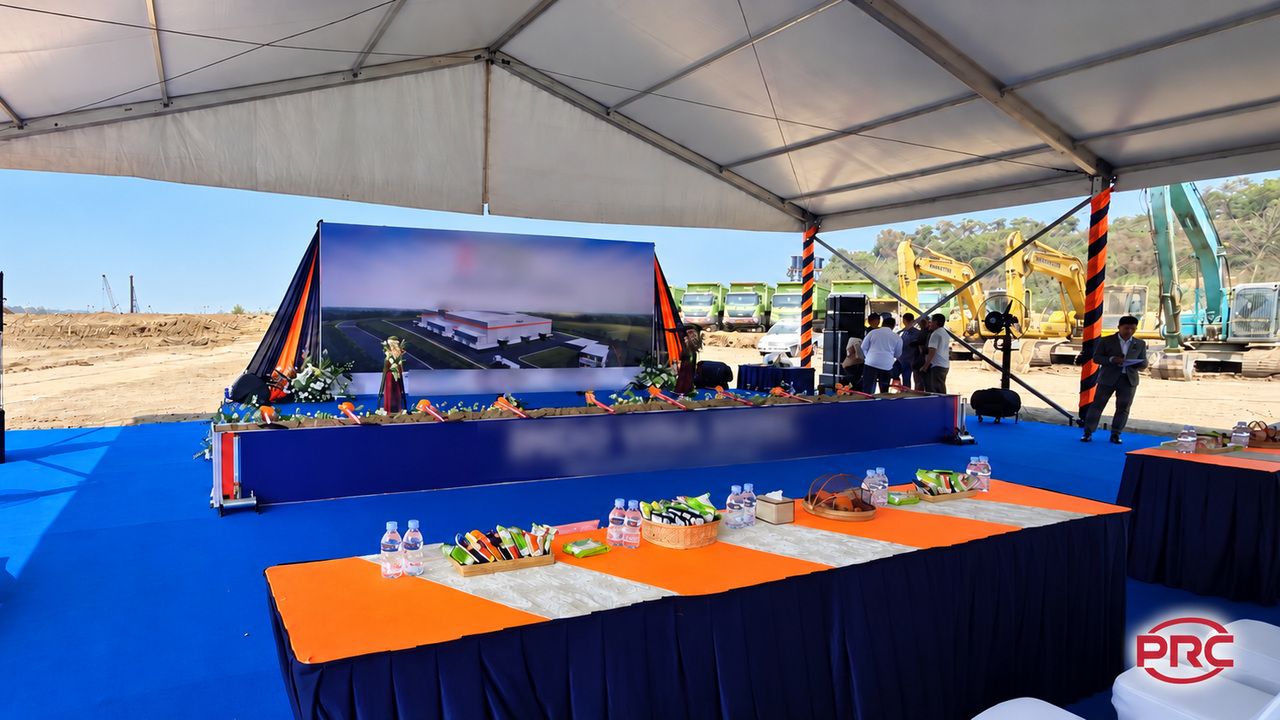
A new steel plant in Indonesia has broken ground, with one continuous color coating line and one continuous galvanizing line.
Read news →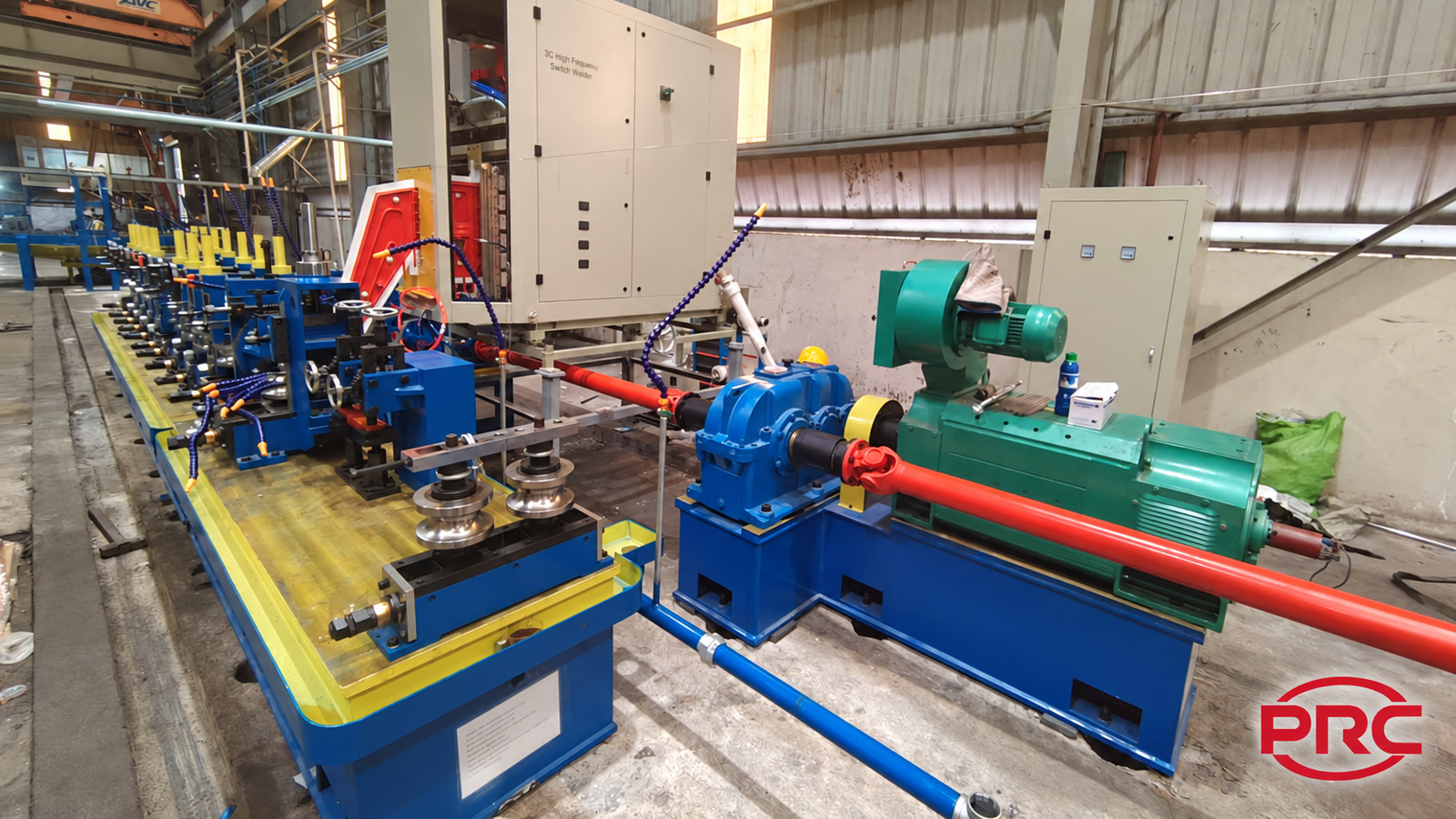
TDA's steel pipe plant in Vietnam has completed installation and commissioning and entered production; PRC delivered the pipe line as general contractor.
Read news →Confirm product requirements and standards before selecting equipment and automation.
Resolve missing inputs, process conflicts and supply responsibilities before agreeing a proposal.
Connect core equipment, suppliers, utilities and technical interfaces within the agreed project scope.
Plan installation guidance, commissioning, training, spares and later upgrades as part of the working relationship.
Prepare the material, product mix, output and utility conditions.
Explore ↗Complete the relevant technical questionnaire and submit it to the existing backend.
Explore ↗Review equipment selection, scope, parameter boundaries and site preparation.
Explore ↗Practical answers about selecting equipment and preparing a project. Open a question to read the details.
Start with the material grade and applicable standards, incoming and finished thickness and width, coil weight and diameters, or tube and section sizes. Add the product mix, annual tonnage, dimensional tolerances, surface requirements and the intended application. A sample product table is more useful than a single maximum size.
Also state the project location, available workshop space, existing equipment, utilities and target start-up date. Mark undecided items as TBD; PRC can discuss selection assumptions before the technical scope is fixed. A budget range is optional. Final technical and commercial terms are confirmed in the project documents.
Selection starts with the product program, raw-material condition, batch sizes and quality targets. Different products may need different routes; pickling, cold rolling, cleaning, annealing, metallic coating, colour coating and coil processing are not a mandatory sequence for every material.
For cold rolling, compare reversing and tandem arrangements against output and changeover needs. Continuous and bell annealing are distinct configurations, while cleaning, skin-pass rolling and tension levelling perform separate functions. Coating chemistry and process route also need their own assessment. The selected arrangement, equipment boundaries and interfaces are recorded in the agreed technical scope.
Not necessarily. A product-family range is not a guarantee that maximum width, thickness, strength, speed and annual output can all be reached at the same time. The feasible operating window depends on the material, product mix, equipment configuration and process conditions.
Annual capacity must account for the pass schedule or line speed, operating hours, coil changes, maintenance and product yield. Thickness tolerance, flatness, coating quality and energy figures require defined measurement and acceptance conditions. Confirm the configuration and test product matrix with PRC rather than combining limits from different models or routes.
Use the contact form for your project requirements and select the relevant product or process. Keep the on-screen confirmation and reference number when one is returned; if the page reports that submission is not confirmed, keep your text and contact PRC by email or WhatsApp.
Choose Questionnaire at the bottom right, select a line and fill in the technical requirements and reply email. Click Submit questionnaire and retain the returned PRC-Q reference. Merely filling fields or printing a PDF does not submit it. If saving fails, keep the page open and retry; you may also print a PDF and send it to your PRC contact.
You can start with the information already available: finished products, main sizes, feedstock, target output, project location and schedule.
We will use these details to discuss the process route, equipment scope and points requiring clarification.