Process from the product
Annealing curve, coating system and process sections are set from what the customer makes and what he feeds in — not copied from a standard line.
From entry cleaning and annealing through hot-dip coating and air knife to cooling, skin-pass, tension levelling and post-treatment — one line configured by substrate, coating system and surface class.
A hot-dip galvanizing line takes cold rolled (or hot rolled) coils in and sends coated coils out: cleaning, annealing, hot-dip coating, air-knife gauging, cooling and post-treatment run continuously on one line. The strip is heated to its recrystallisation temperature and its surface oxide is reduced in the furnace, then enters the zinc pot; leaving the pot, the air knife wipes off excess zinc and holds coating weight inside the ordered range.
Three things decide the result: coating weight by the air knife (pressure, knife gap, line speed, pot temperature), surface class by the furnace and post-treatment, and flatness by skin-pass and tension levelling. How they are configured drives both investment and running cost — and they are exactly what has to be settled before quoting.
We design the process around the customer's product mix and raw material, customise the equipment, and optimise the line configuration so that investment, operating cost and quality land on the best point together.
Annealing curve, coating system and process sections are set from what the customer makes and what he feeds in — not copied from a standard line.
Pot, air knife, furnace zones and post-treatment are selected against process parameters; non-standard parts are designed in house.
The same product mix can be built in tiers by investment pace, keeping investment, running cost and quality on one optimum.
A galvanizing line needs nine disciplines in step; clear interfaces are what keep a site from waiting on each other.
Product mix, process section split and parameter tables; process flow diagram.
Grades and mechanical properties, annealing and ageing, coating adhesion and alloy layer.
Unit selection, strength and stiffness checks, non-standard design.
Furnace type, zone split, burners and radiant tubes, heat balance and energy use.
Drives, instrumentation, PLC and safety loops; speed and tension closed loops.
Building, platforms, towers and equipment loads — critical in brownfield upgrades.
General layout, logistics, crane and maintenance space, interfaces with upstream and downstream.
Degreasing, pickling, passivation and anti-fingerprint chemicals and tank configuration.
Installation supervision, cold and hot commissioning, ramp-up and operator training.
On the same substrate, what changes is the pot, the air knife, the furnace and the post-treatment — not the whole line. Where the market switches often, one line can cover both CAL and CGL product.
Pure zinc, best availability and cost; the workhorse for construction and appliances.
55%Al-Zn; better corrosion and heat resistance, suited to color-coating base and outdoor parts.
Magnesium-bearing; outstanding cut-edge corrosion. Furnace, pot and air knife confirmed separately.
Post-pot heating forms a Zn-Fe alloy layer; good weldability and paintability for automotive and appliances.
Shared furnace and cooling section; the pot section is engaged or bypassed by schedule. Changeover transition and yield loss are calculated at design stage — suited to mixed appliance and construction production.
Color-coating base, roofing and cladding, structural parts; corrosion, flatness and cost.
Visible and structural parts; surface class, anti-fingerprint and formability.
Inner and outer panels, structural parts; GA / Zn-Al-Mg, weldability, paintability, thickness accuracy.
Combined by substrate, finished product and quality target; each section can be configured or upgraded on its own.
Uncoiler, welder, entry looper and edge guide
Degreasing, brushing, electrolytic cleaning, rinse and dry
NOF/RTF heating and soaking, in-furnace tension and cooling; temperature and dew point set per grade
Zinc pot, sink roll, stabiliser roll and air-knife gauging
Post-pot movable cooling, air cooling or water quench; strip temperature profile
Skin-pass for surface and shape, tension levelling for shape and buckle correction
Passivation, anti-fingerprint, oiling and surface inspection
Edge trimming, coil dividing and exit coiling
| Item | Range / Notes |
|---|---|
| Strip thickness | 0.15–6.0 mm |
| Strip width | 600–1,800 mm |
| Line speed | ≤ 180 m/min |
| Annual output | ≤ 500,000 t |
| Coating systems | Zn, Zn-Al, Al-Zn-Si, Zn-Al-Mg, Zn-Al-Mg-Si |
| Coating weight | GI 50–450 g/m² (both sides); GL 40–250 g/m² |
| Spangle | Large / regular / skin-passed |
| Post-treatment | Cr-free or Cr passivation, anti-fingerprint, oiling, skin-pass, tension levelling |
| Substrate & grades | CR, HR, HSLA; FH, CQ, DQ, DDQ, EDDQ |
These are series reference ranges from the supplied product documentation. Maximum thickness, width, speed and annual output are not simultaneous guarantees for one line. Coating mass, product mix, operating hours and acceptance conditions are agreed in the technical proposal.
A wrong furnace type costs more than expected — it sets tower height, footprint, strip support points and the surface-quality ceiling.
| Furnace | When it fits | Trade-offs |
|---|---|---|
| Horizontal | Medium speed, thicker strip, limited building height | Simple and easy to maintain; long footprint, many support points, harder surface control |
| Vertical | High speed, thin strip, high surface requirement | Strip runs unsupported — best surface; tower usually 30 m or more |
| L-type | Brownfield upgrade, not enough height | Horizontal heating plus vertical soaking/cooling; a height/footprint compromise, common in upgrades |
| U-type | Tight footprint, long furnace section | Folded pass shortens the building; higher demands on rolls and tension control |
The heating method follows the local energy structure and running cost — not a default of natural gas.
| Method | Where it fits | Watch out for |
|---|---|---|
| Electric | Low power price, strict emissions, thin strip and high surface class | Tight temperature control, no combustion products; running cost follows power price |
| Natural gas | New lines with a stable supply | High efficiency and fast response; needs recuperation and emission treatment |
| LPG | Areas without a gas network, smaller lines | Low investment and flexible logistics; higher cost per unit of heat |
| Coke oven gas | Steel plants with surplus gas | Lowest cost; calorific value and composition vary, so stabilising and analysis are required |
The same galvanizing process can be built in different versions by product mix, building conditions and investment pace: route first, configuration second, phasing last.
Grades, sizes, coatings and annual output — the product structure first.
Line type, furnace type, heating method and coating system; process flow diagram.
Pot, air knife, skin-pass, tension levelling and inspection sized to output and accuracy.
Layout, crane, power, gas, water and environmental interfaces.
Delivered in packages by investment pace, expandable after start-up.
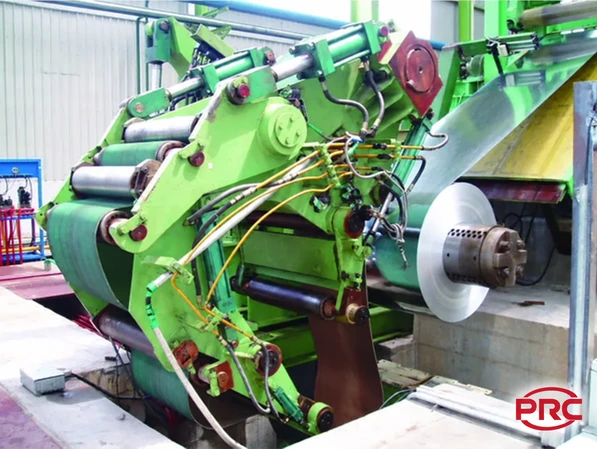
Photos from our product documentation and site records, showing equipment form and process sections.
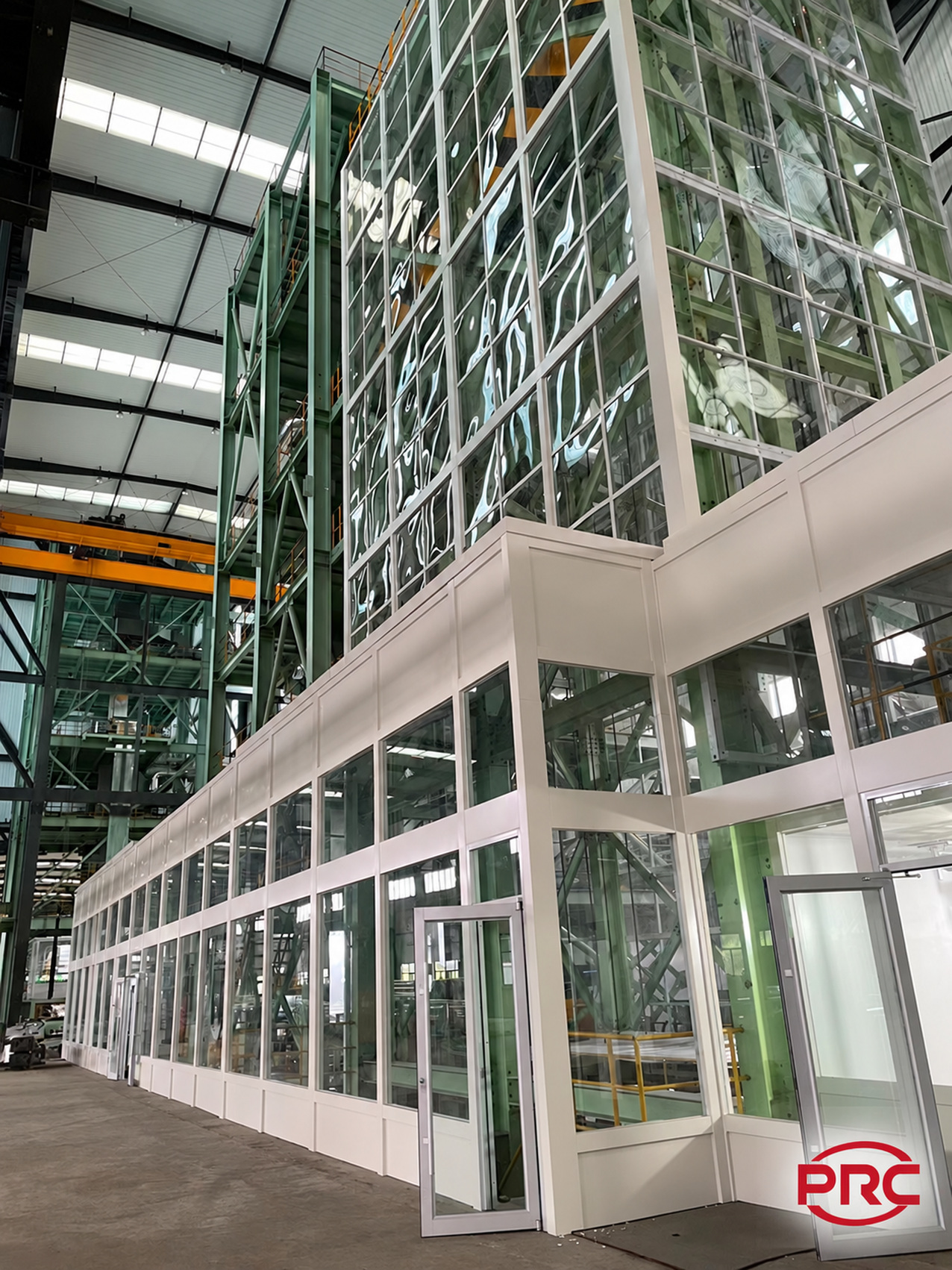
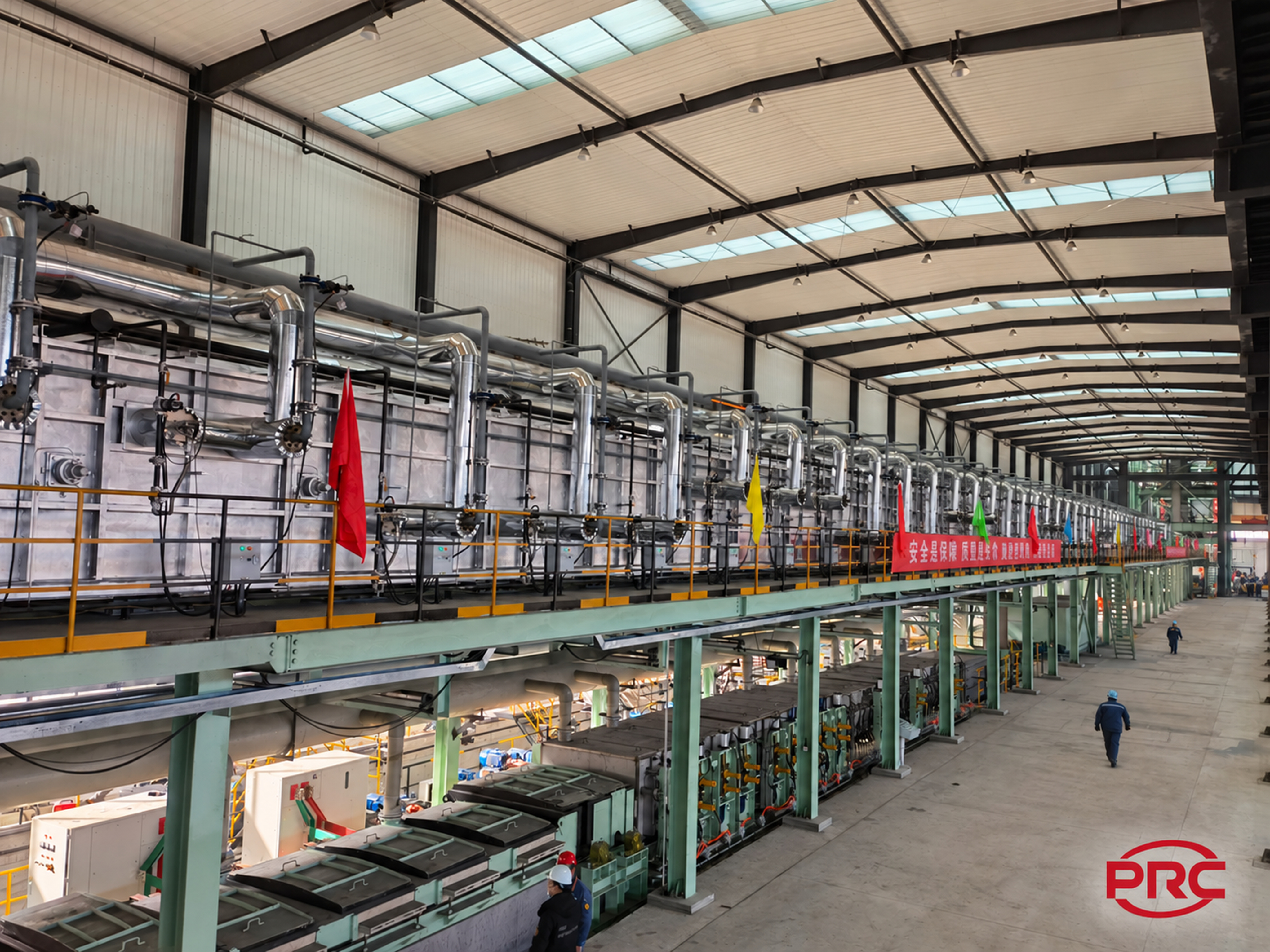
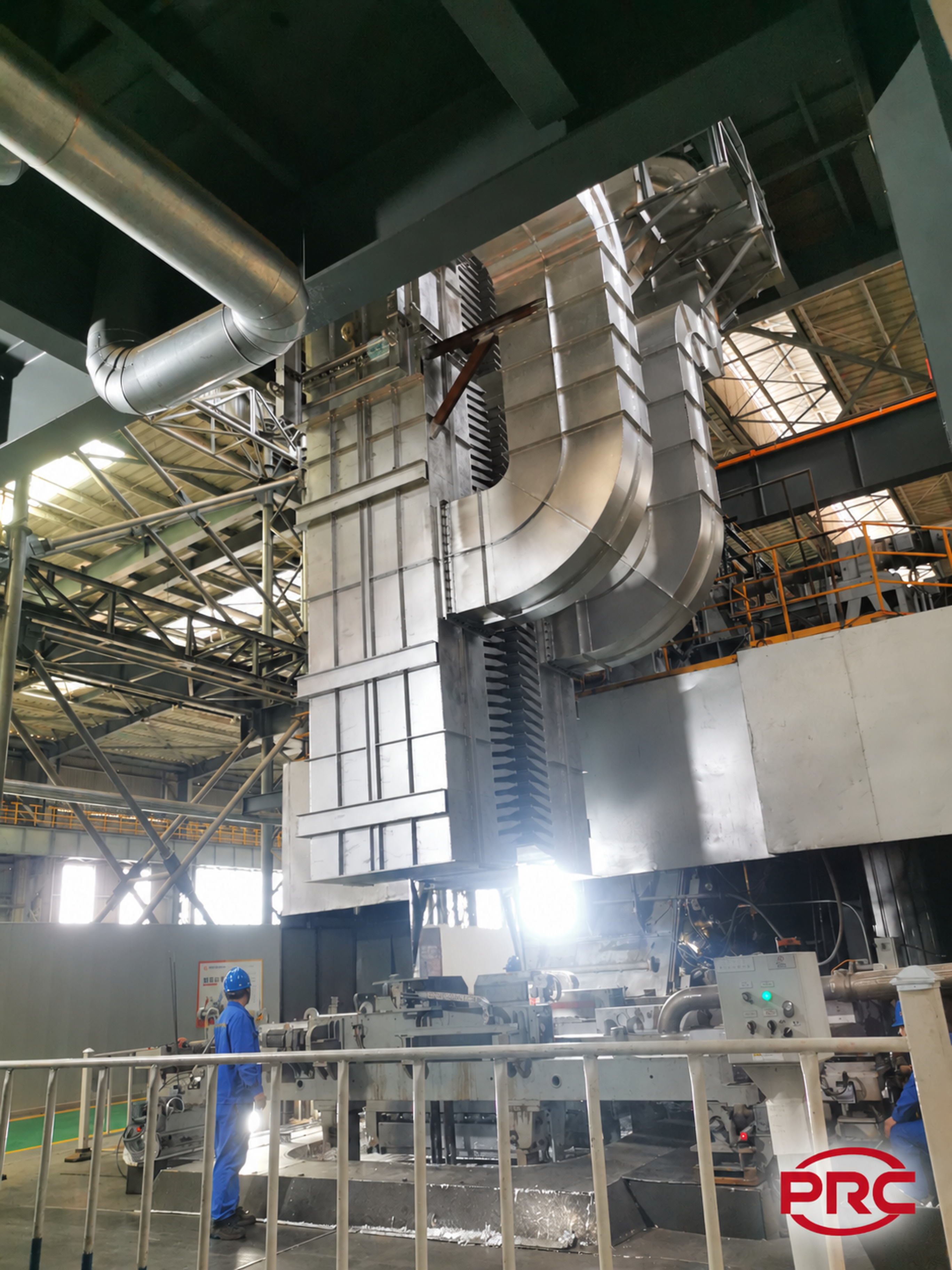
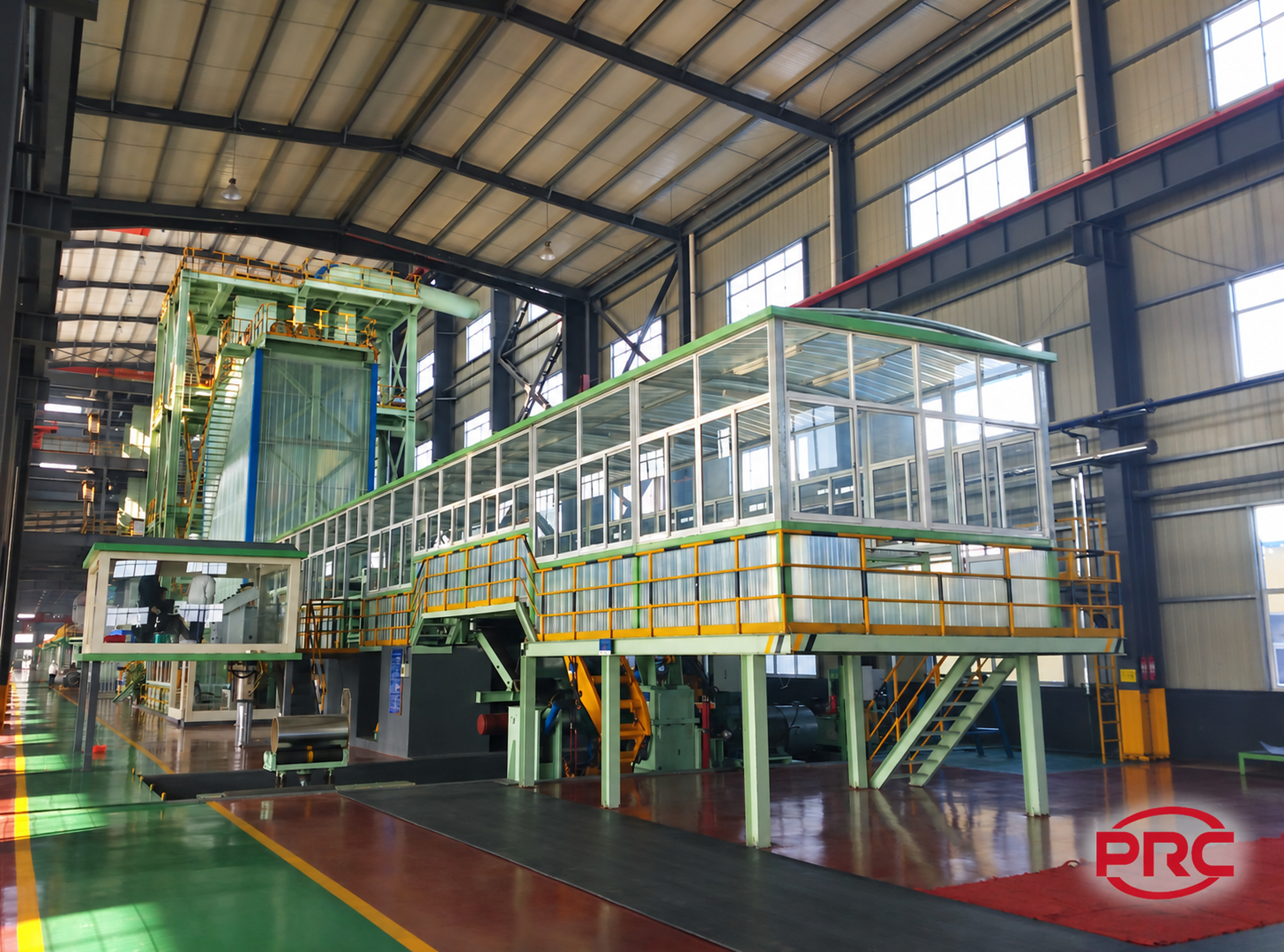
Product mix, substrate condition and target output — we start from the process route and the equipment limits.
Practical answers about selecting equipment and preparing a project. Open a question to read the details.
Start with the material grade and applicable standards, incoming and finished thickness and width, coil weight and diameters, or tube and section sizes. Add the product mix, annual tonnage, dimensional tolerances, surface requirements and the intended application. A sample product table is more useful than a single maximum size.
Also state the project location, available workshop space, existing equipment, utilities and target start-up date. Mark undecided items as TBD; PRC can discuss selection assumptions before the technical scope is fixed. A budget range is optional. Final technical and commercial terms are confirmed in the project documents.
Not necessarily. A product-family range is not a guarantee that maximum width, thickness, strength, speed and annual output can all be reached at the same time. The feasible operating window depends on the material, product mix, equipment configuration and process conditions.
Annual capacity must account for the pass schedule or line speed, operating hours, coil changes, maintenance and product yield. Thickness tolerance, flatness, coating quality and energy figures require defined measurement and acceptance conditions. Confirm the configuration and test product matrix with PRC rather than combining limits from different models or routes.
The scope may include process and equipment selection, main and auxiliary equipment, electrical systems, automation, interface documents, installation supervision, commissioning and operator training. A complete-line contract does not automatically mean responsibility for the entire factory or every building service.
The technical agreement should identify who supplies foundations, buildings, cranes, external utilities, installation labour, test materials and local approvals. It should also define drawings, deliverables, performance tests, spare parts and service responsibilities. PRC also discusses individual equipment supply and revamps where a complete line is not required.
Prepare the workshop dimensions, floor levels, crane capacity, access and logistics, existing foundations and maintenance clearances. Provide the available electrical supply, cooling water, compressed air, ventilation and any process-specific media relevant to the chosen equipment.
Foundation loads, connection points, supply quality and flow requirements must come from the selected design; generic consumption figures should not be used as construction data. Coordinate material storage, coil handling, emergency access and the boundary between supplier and customer works. Local safety, environmental and construction requirements also need to be considered for the project location.